36 Real (Smart) Tips to Save Money on Your Wedding Venue Without Sacrificing the Beauty of Your Preferred Venue
Planning a wedding can feel like juggling beauty, budget, and a million tiny details at once. The venue, often the largest single expense (40%-50% of your budget), sets the stage for your entire day. But here’s the good news: you don’t have to drain your savings to celebrate in style. By making a few smart choices (about timing, location, contracts, and even décor) you can shave thousands off your bill without sacrificing the atmosphere you want.
Table of Contents
Below, I’ve gathered 20 real and practical tips I’ve seen couples use to keep their wedding venue both stunning and budget-friendly. Some are simple adjustments, others are clever negotiations, and all of them can help you stretch your budget further.
Keep in Mind: The devil is in the details.
What you will learn:
You’ll learn how to save thousands on your wedding venue by making smart choices about when and where you get married. Discover how to negotiate prices, find hidden gems like city-managed or new venues, and use strategic timing (think weekdays or off-season dates) to your advantage.
The article also provides clever tips on managing your catering and bar, and how to use decor and lighting to make an affordable space look luxurious. It all comes down to being a savvy planner, paying attention to contract details, and making decisions that prioritize your budget without sacrificing your vision.

Enjoy this article on Podcast:
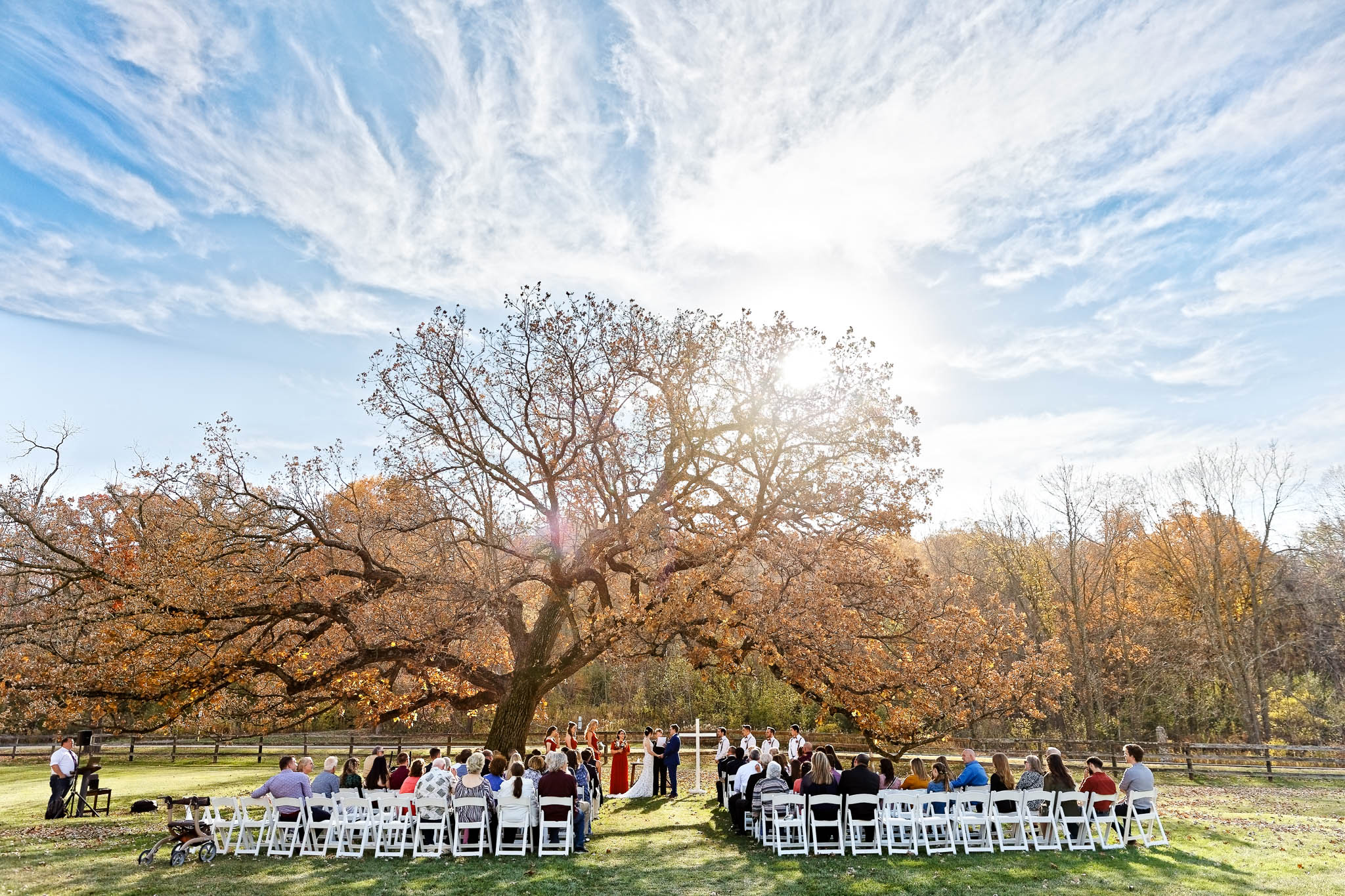
1. Opt for an Off-Season and a Weekday
In the free market world, prices vary according to supply and demand.
You would get the cheapest price on a weekday from Monday to Thursday.
(But of course, who gets married on a weekday?)
- Sunday would be your best option to save money, but it often comes with a time limitation.
Anyway, guests usually leave earlier on Sundays. - Friday pricing is usually still cheaper than Saturday, but higher than Sunday.
Finally, Saturday remains the most expensive day because it’s the most desired date.
Some venues also offer seasonal vs. off-season prices.
Example:
- On venues around $4,000–$8,000, the variation between peak and off-peak dates can go from $500 to $3,000.
- In premium venues, the difference can go up to $12,000. (Check here for real example)
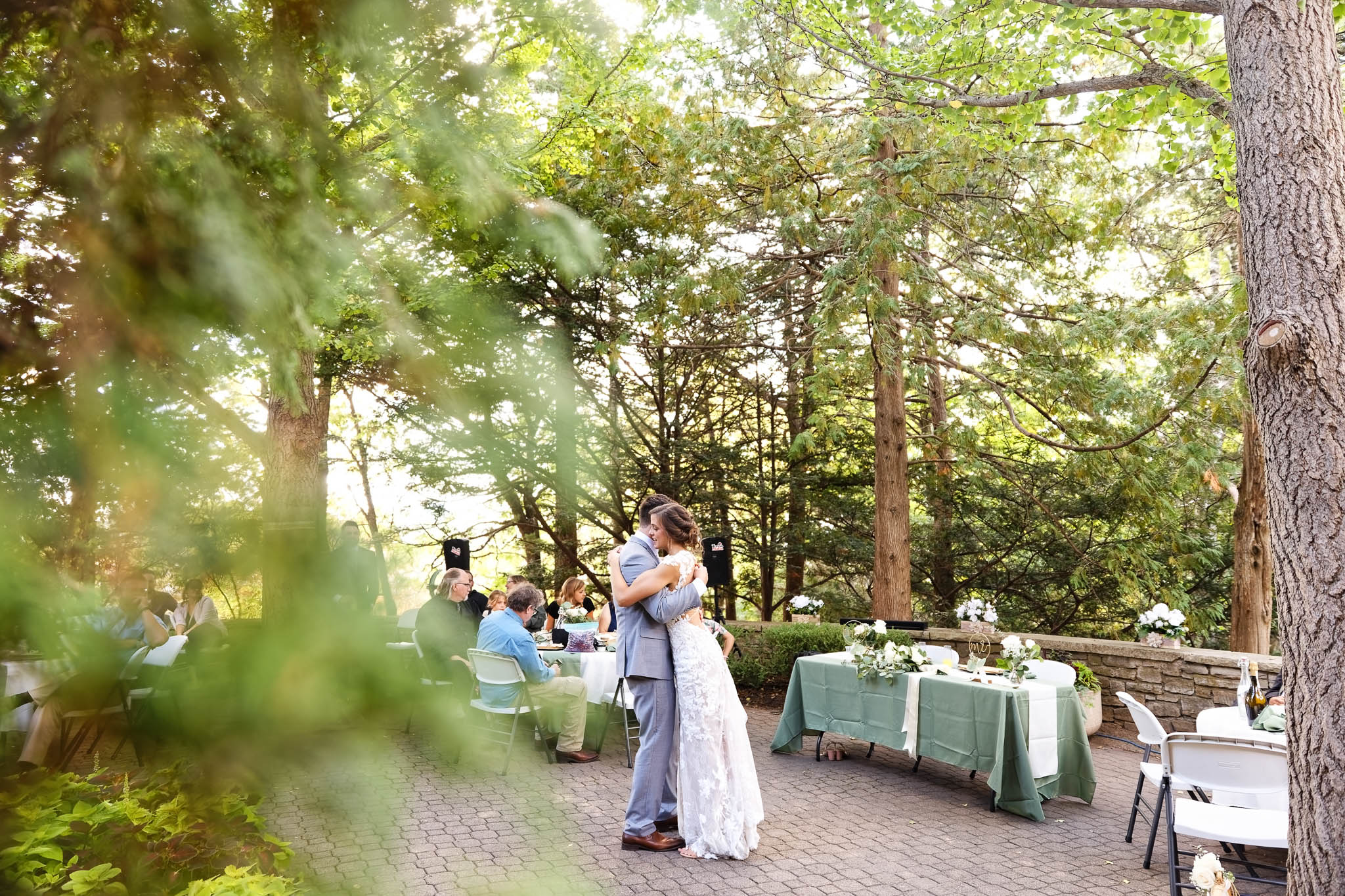
2. Reduce the Number of Hours
The fewer hours you need vendors, the less you pay them, making everything more affordable.
- Brunch: The Perfect Combo
When do you usually brunch?
On a Sunday.
Having a Sunday brunch wedding is a great way to save:
- Fewer hours needed for your venue rental and vendors
- Cheaper day of the week
If partying all night long isn’t your priority, a wedding brunch can be a smart, economical solution.

3. Last-Minute Wedding: You Might Be able to Negotiate
I have seen brides organizing weddings two months before their date,
Negotiating significant discounts.
- If a date is still available two months before, venues are often more flexible.
- Worst-case scenario: you ask, and they say no.
- Remain respectful when negotiating. Keep in mind that the bigger package with more options you are asking for, the luckier you are to be able to negotiate something.
Note: “Gemstone venues” are usually booked far in advance.
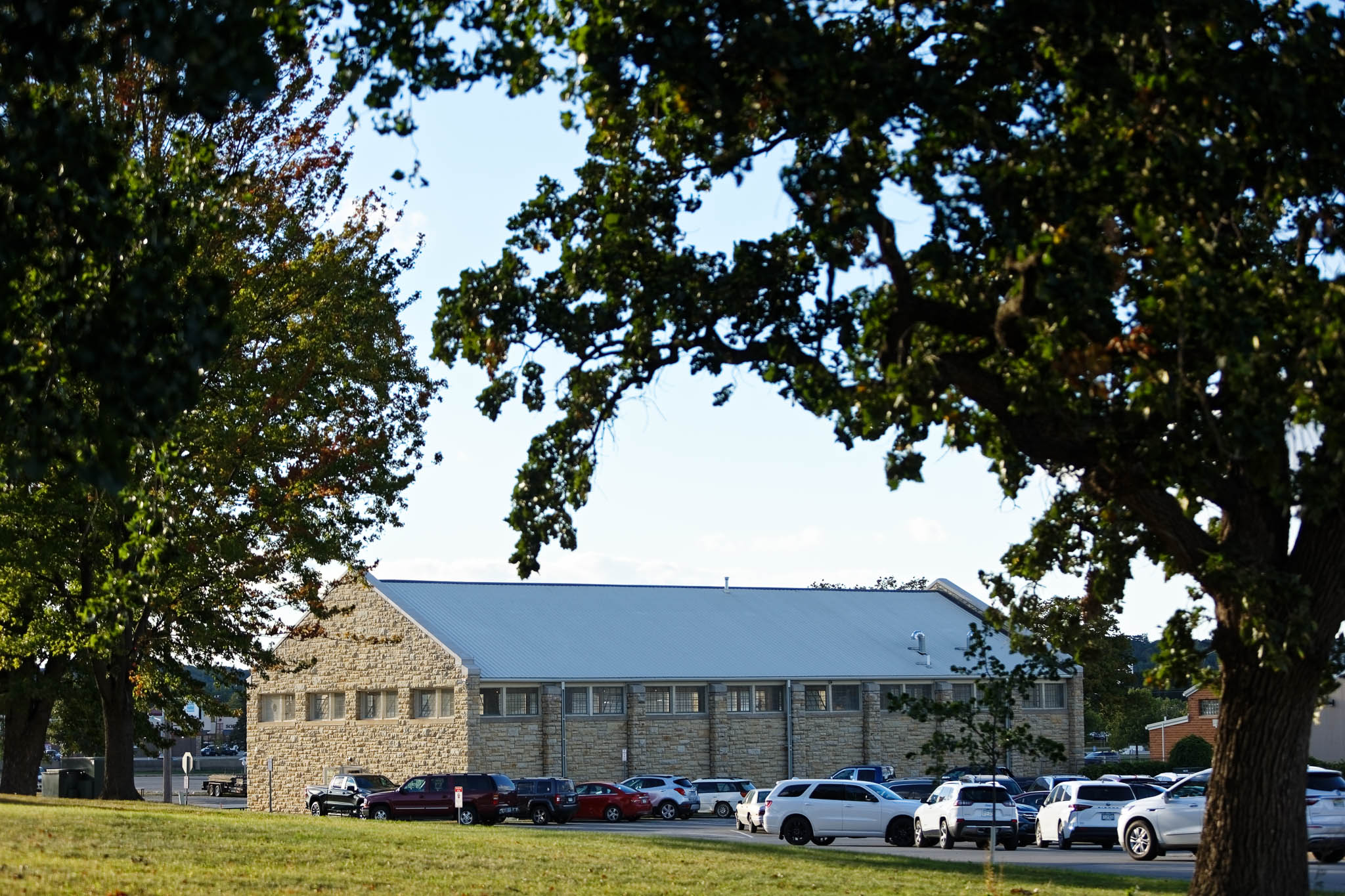
4. Check for City-Managed or County-Managed Venues
These include historic houses, museums, and parks.
Public venues often charge very fair prices for super photogenic environments.
Note: In Rochester, we would think of the Plummer House, the Floral Hall, Aune Hall and Crawford Hall.
5. Check for the Newest Venues
Like any new business, new venues tend to lower their prices in their first year to attract customers.
When they build their reputation, prices usually rise.
Booking a brand-new venue can be a great way to save.

6. Use Vendor Referrals to Find Budget-Friendly Pros
Your vendors know each other.
Photographers work with florists. DJs work with venues. Planners know everyone.
Once you’ve booked a vendor you trust, ask them for referrals:
- “Do you know any florists in my price range?”
- “Which caterers have you enjoyed working with?”
- “Any DJs you’d recommend for a similar budget?”
They’ll point you toward quality vendors who match your budget and style, saving you hours of research and helping you avoid overpriced or unreliable options.
Bonus: Vendors who work well together make your wedding day run smoother.
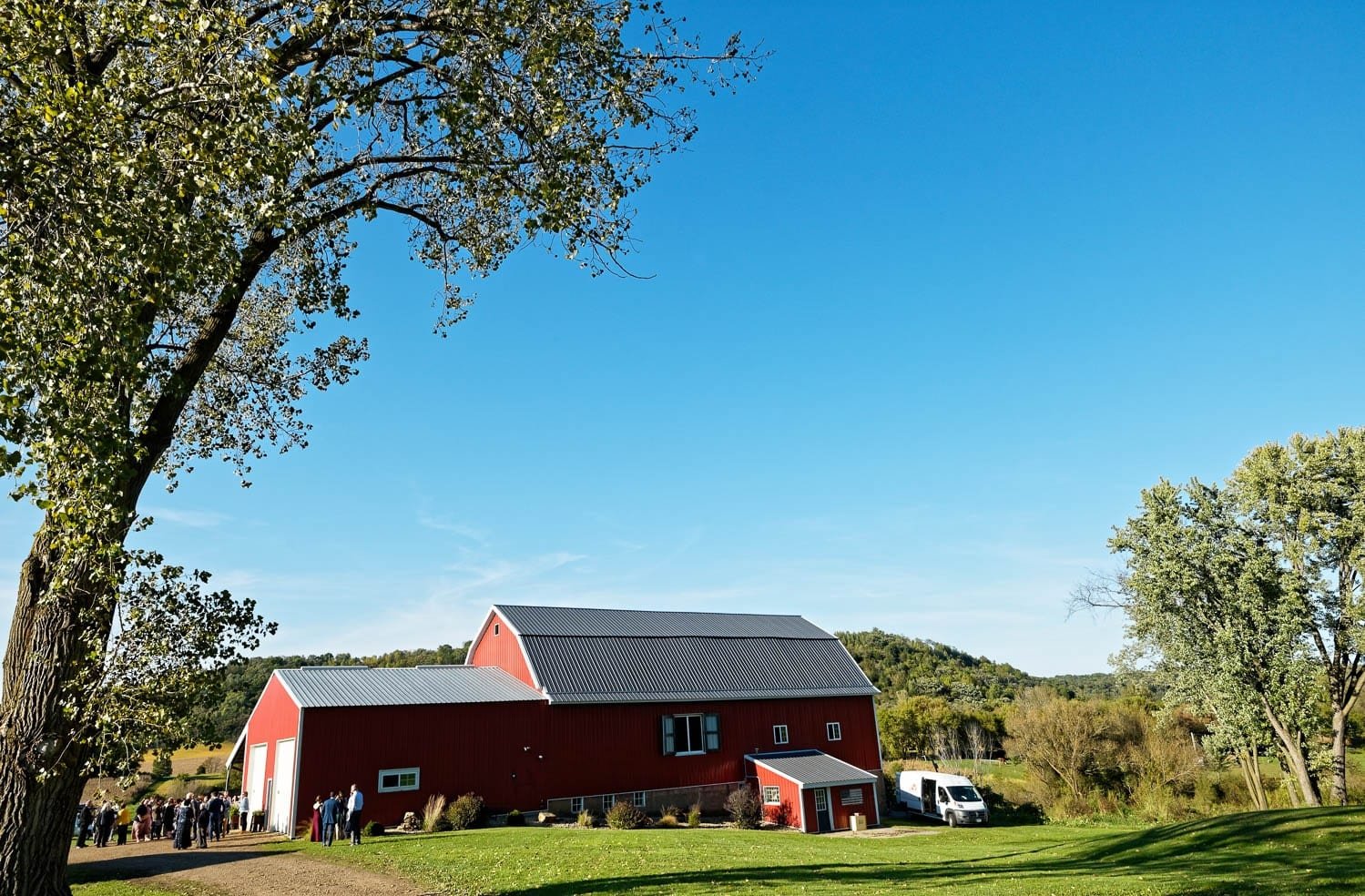
7. Go to Rural Locations
The further away you go from the Twin Cities, Rochester, or Duluth, the cheaper the venue price will be. A lot of couples are happy to drive one hour to save thousands of dollars.
- Rural doesn’t always mean old barns!
Many new or remodeled barns are beautiful. - Local hotels will also be more affordable.
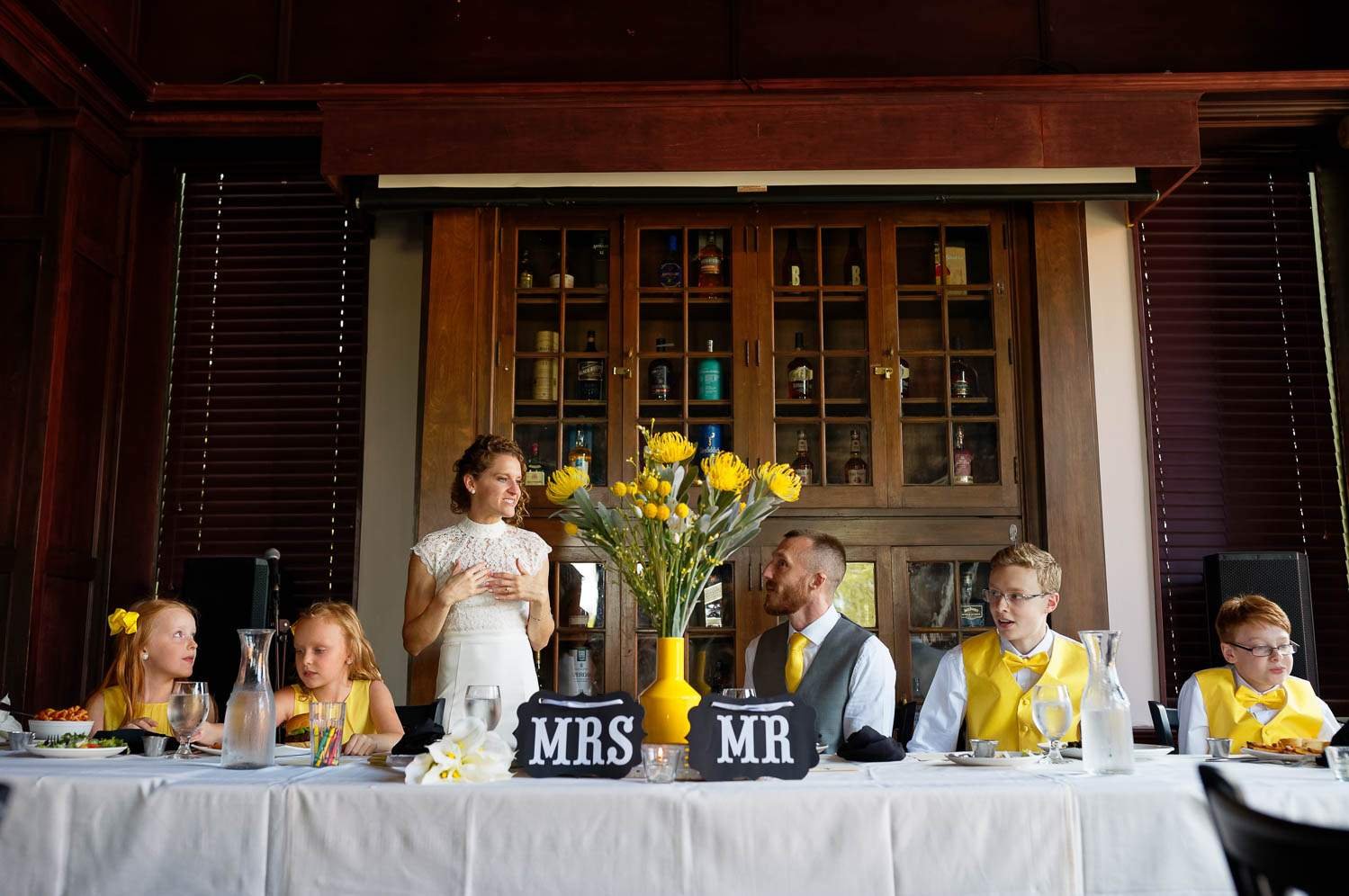
8. Choose a Restaurant for a small wedding.
For small events, restaurant weddings can be convenient, photogenic, and not very expensive.
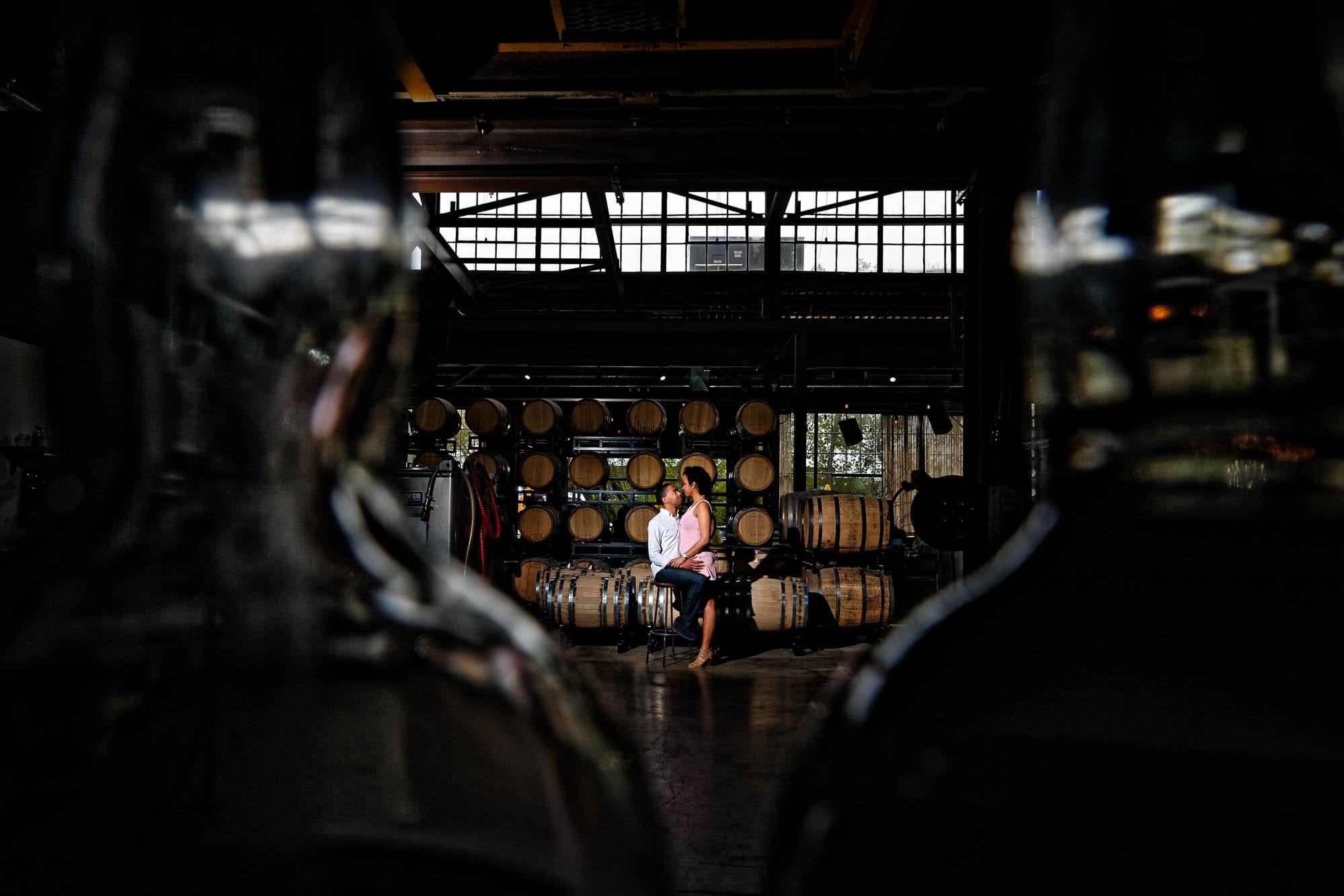
9. Pick an Alternative type of venue
Think creatively!
Explore:
- Galleries (Public Functionary)
- Museums (Minneapolis Swedish Institute, MIA)
- Wineries (Four Daughters)
- Farm (check the Squash Farm in Rochester)
- Breweries (The Forager)
- Ski stations (Welch Village)
- Historical societies (Mill City Museum, Litchfield Opera House)
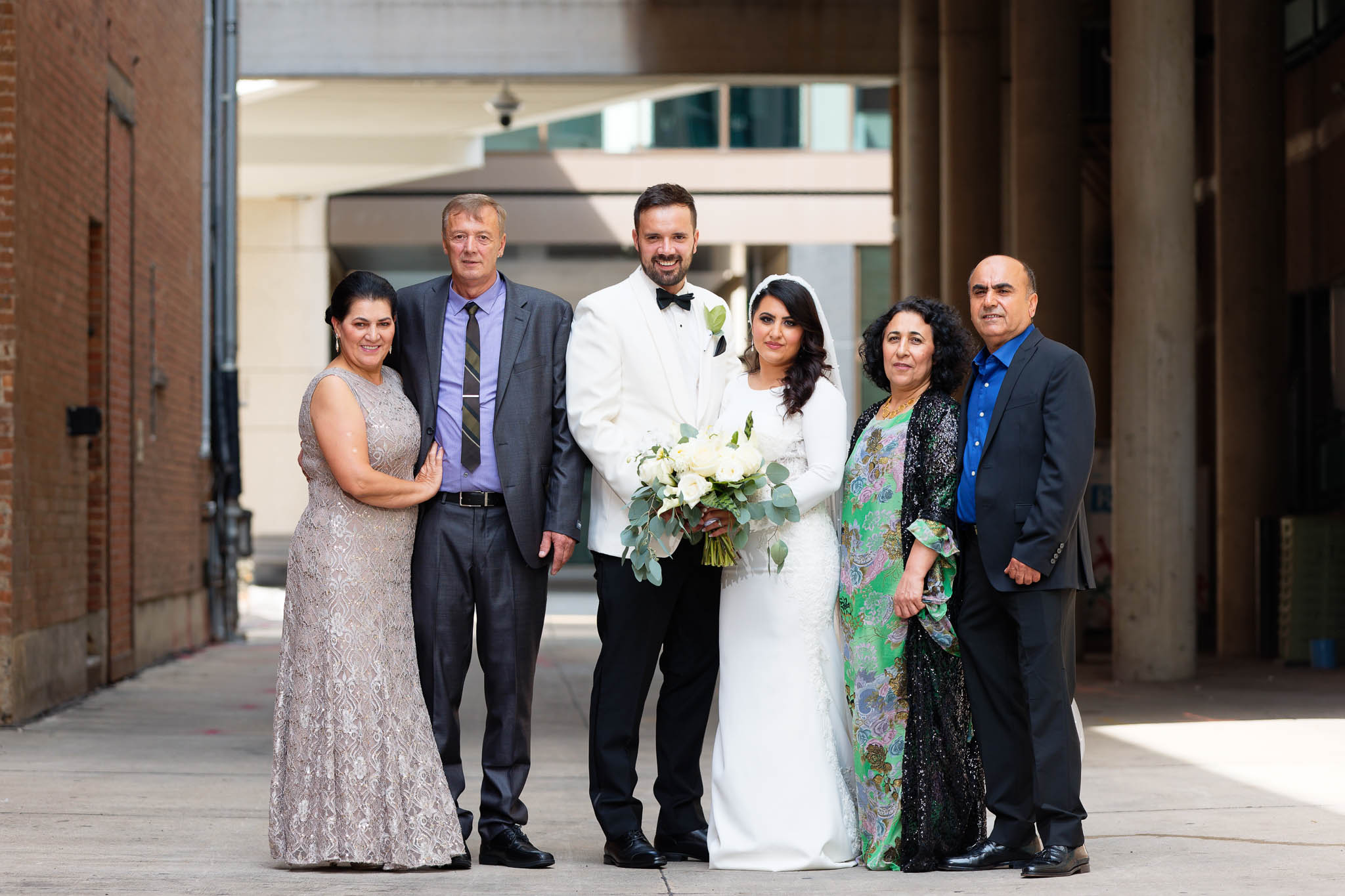
10. Rethink Your Vision of a Wedding
In recent years, I’ve seen couples create events that don’t match traditional wedding visions:
Camping weddings (in campgrounds or group centers), homemade big parties with friends (like a backyard wedding), and minimalist gatherings.
Does it make the wedding less interesting for photography?
Not at all!
Weddings are about family and friends, not a fashion venue.
Check our backyard wedding guide.

11. Trim Your Guest List Strategically
Trimming on guest list is probably the less popular option. But the guest count directly impacts your venue cost! So pick carefully.
Fewer guests = smaller venue required = lower price.
Some venues charge per head for catering, typically $50 to $150 per person. Cutting just 20 guests at $100/person saves $2,000 on food alone.
But the savings don’t stop there:
- Smaller guest count = smaller venue option (often thousands less)
- Fewer table rentals, chairs, linens
- Less centerpieces and décor
- Fewer invitations and favors
Micro-weddings (under 50 guests) are trending for a reason. Couples save $15,000 to $40,000 compared to traditional 150+ guest weddings.
Tip: Host your intimate wedding, then throw a casual backyard party or restaurant gathering later for extended friends and family. Same celebration, fraction of the cost.
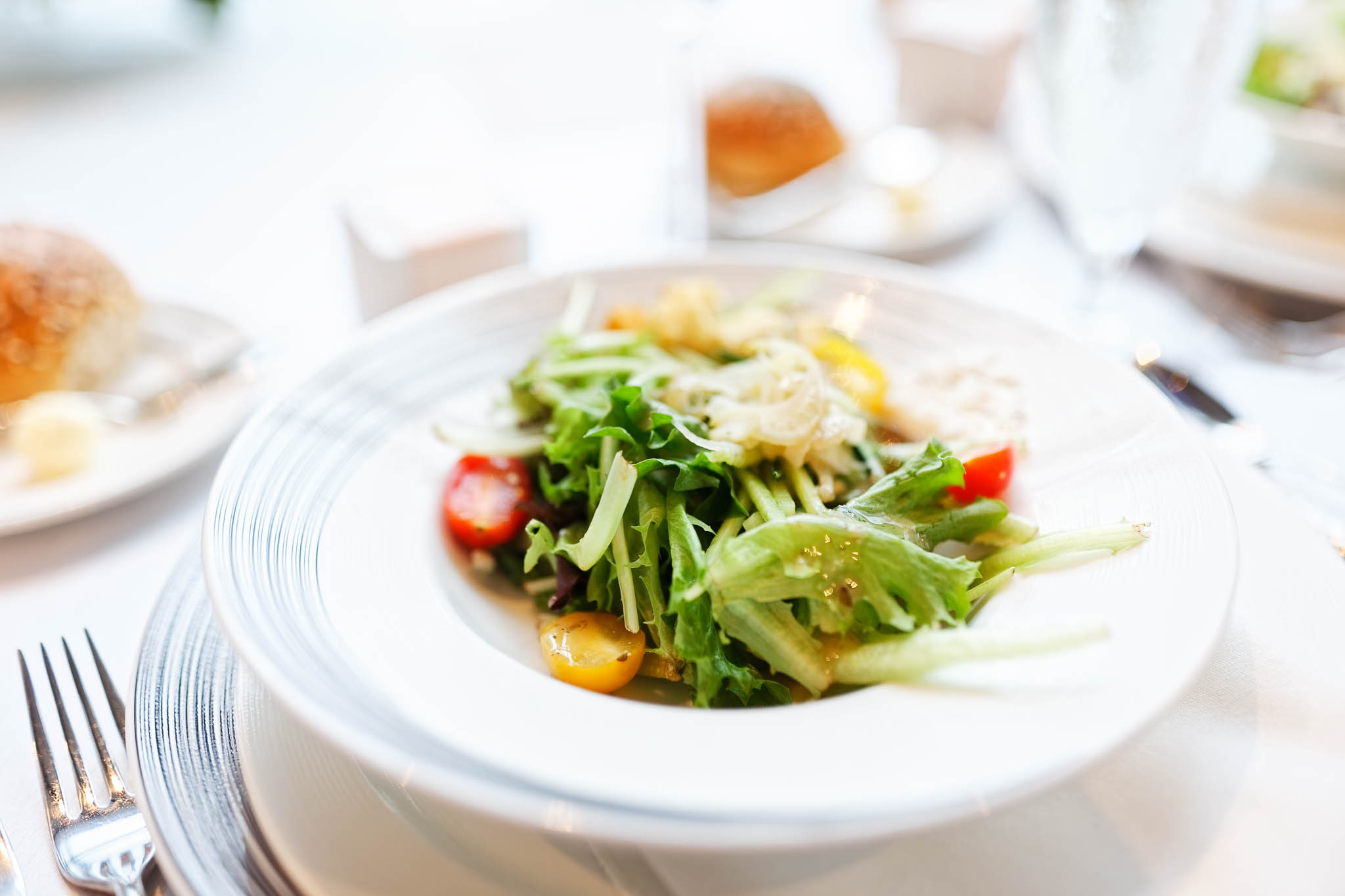
12. Go with Good Meals but Few Options
Choose good-quality food, but keep meal options limited.
Buffets are usually cheaper than plated dinner service.

13. Drink Smartly: best bottles of alcohol first
Alcohol can be a big budget item if you do an open bar with 200 or 300 guests.
Use fancier alcohol for the cocktail hour. Once people have already drunk one or two glasses, switch to a regular, cheaper liquor. Nobody would notice the difference.
Some couples:
- Let guests pay for their own drinks.
- Bring their own alcohol (if the venue allows.. it’s pretty rare).
- Select the type of alcohol carefully with bartenders (20-year-old fine whiskey vs. basic liquor).
Other couples: Omit alcohol completely, often for venue rules (like churches), religious reasons (e.g., Muslim weddings), or personal choice (e.g., AA members).

14. Offer Signature Cocktails Instead of Full Open Bar
A full open bar with premium liquor for 150+ guests can cost $3,000 to $8,000+.
A smarter option: “His and Hers” signature cocktails.
Create two custom drinks that reflect your personalities, plus offer beer and wine. This approach:
- Controls the alcohol type (house vodka vs. top-shelf bourbon)
- Adds a personalized touch guests will remember
- Reduces overall consumption (fewer choices = less drinking)
Example: A “Lavender Lemonade Spritz” for her and a “Whiskey Ginger” for him, plus beer and wine.
Savings: $1,000 to $4,000 compared to full open bar.

15. Display Cake, Serve Sheet Cake
Instead of a $1000 3-tier cake, order a small, beautiful cake for display and the cake-cutting photos. In the kitchen, have a sheet cake pre-sliced for serving guests. Nobody will notice the difference!
A three-tier wedding cake for 150 guests can cost $800 to $1,500+. A display cake for photos + sheet cake for serving? $300 to $500.
Savings: $500 to $1,000.
If you want to skip cake entirely, consider alternatives: Pie station, Cupcake tower, Donut wall, Dessert bar
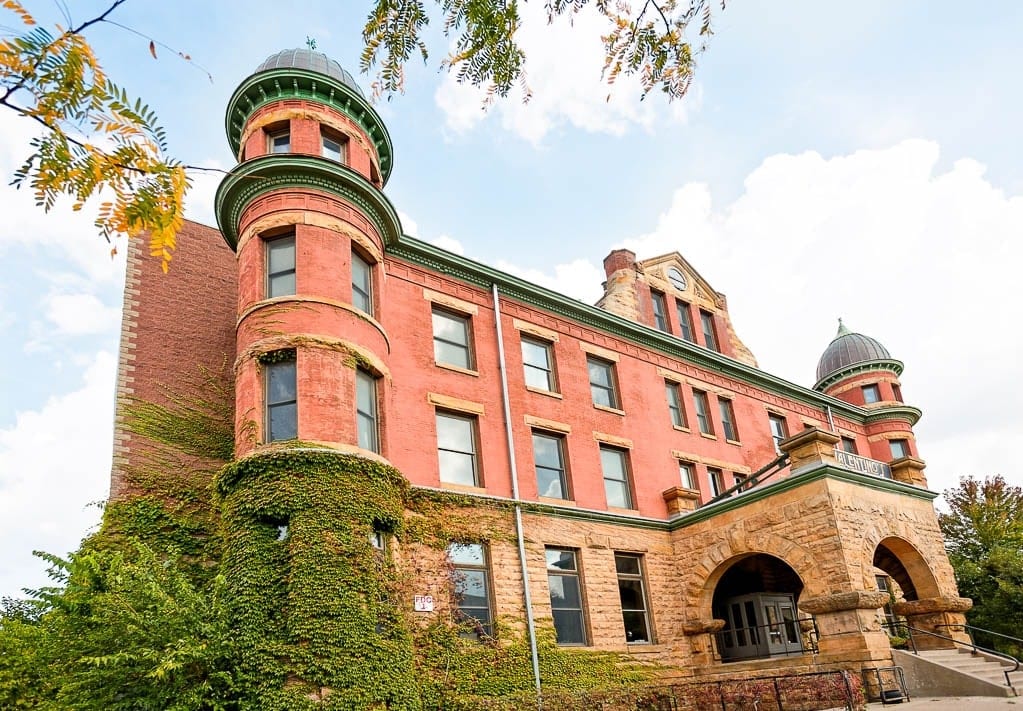
16. Pick a Venue That’s Already Good-Looking
Choose a venue that is beautiful by itself.
If you rent an ugly space, and then spend thousands on decorations like muslin draping and flowers,
It doesn’t make sense financially.
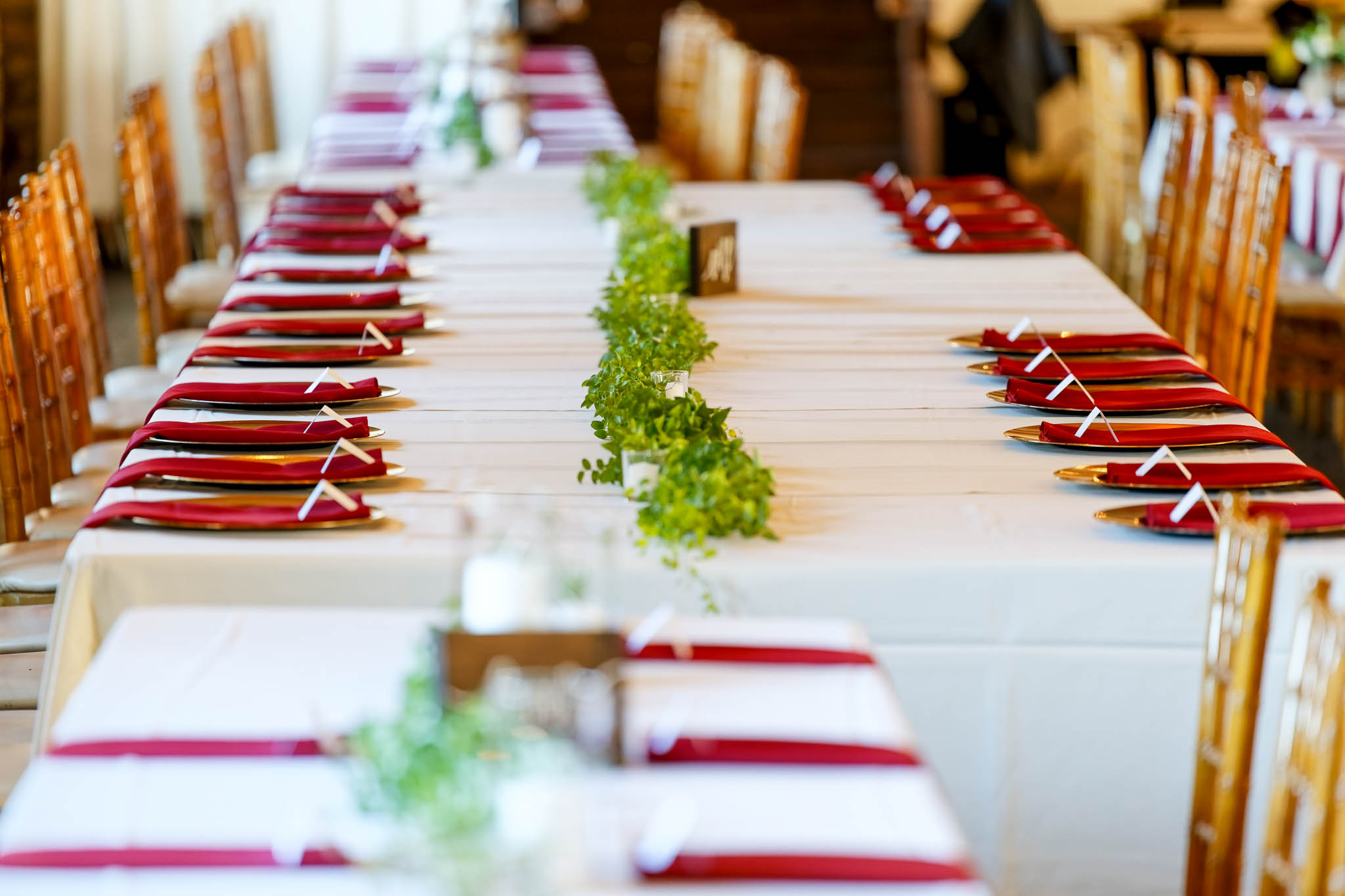
17. Simplify the Decorations
A bit of greenery is usually enough:
Think eucalyptus garlands, ferns, ivy, or baby’s breath.
You don’t need tons of expensive centerpieces.
Ideally, the perfect venue looks good already and doesn’t need much decoration.

18. Enhance the Dance Floor with a Fog Machine
A fog machine doesn’t cost much ($150), but it can transform a basic corporate room into a disco dancefloor from the ’80s.
Many DJs can offer it at a fair cost. Check the list of vendors.

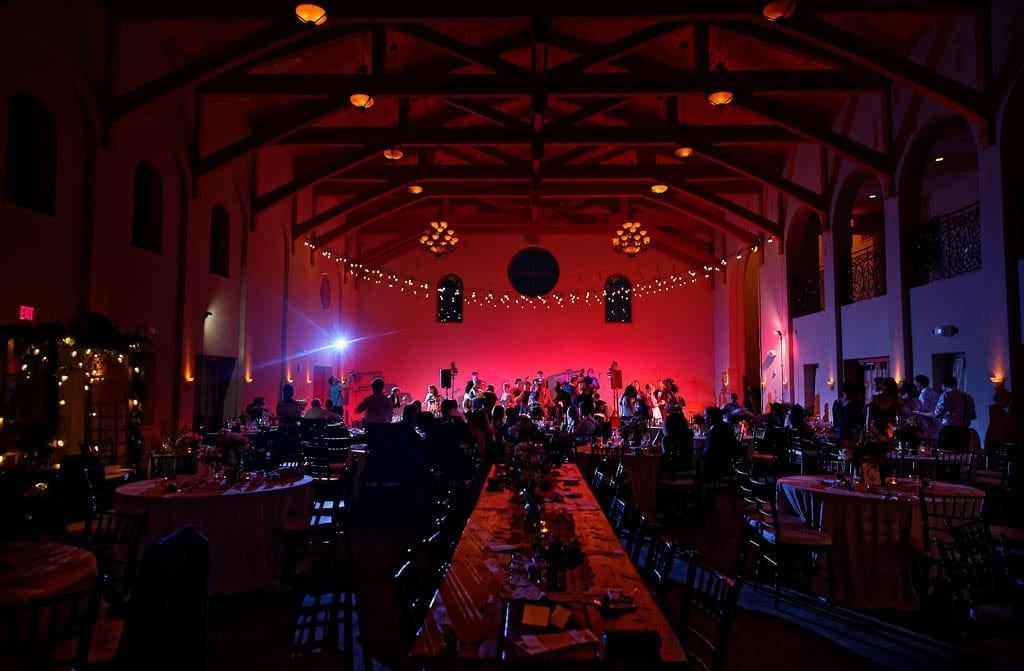
19. Add Colored Lighting on the Walls to enhance a basic venue
An easy way to visually transform a basic room:
Set up colored lights at the base of the walls.
In photography, you won’t notice the “ugly” corporate walls, but you will feel the color and atmosphere.
Again, most of the “good” DJs would offer this option.
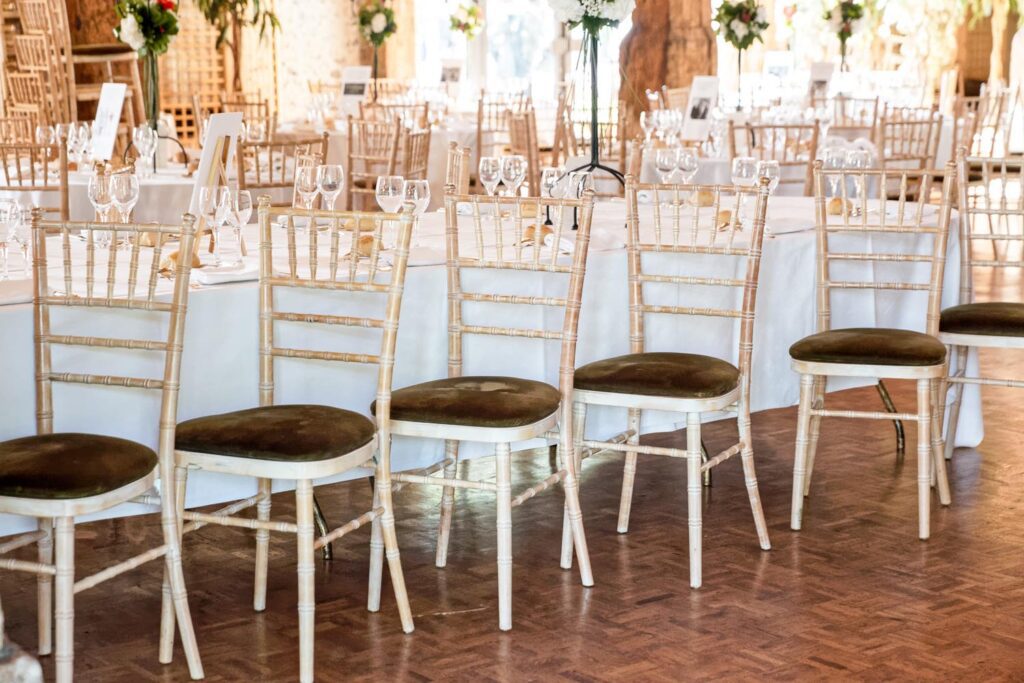
20. All-Inclusive Venues with Bundle Services
All-inclusive venues include catering and everything you need in their package. This can be more economical than renting everything separately.
Typical inclusions: tables, chairs, linens, plates, silverware, glassware, sound system, dance floor, setup, cleanup, and sometimes day-of coordination, bartending, or cake.
Compare total costs carefully. An all-inclusive package at $15,000 might seem expensive at first glance. But add up à la carte rentals: venue ($3,000), tables and chairs ($1,500), linens ($800), dinnerware ($600), sound system ($500), catering ($8,000), coordination ($1,200). Total: $15,600.
The all-inclusive option is actually cheaper, and you have one vendor to manage instead of six.
Always ask: What exactly is included? What costs extra (overtime, premium bar, upgrades)? Are gratuities and service charges included or added on top?

21. Understand Gratuity vs Service Charges
This is where many couples get surprised.
Service charge (18% to 25%): Added to your food and beverage bill. Goes to the venue for staffing, setup, and operations. This is NOT a tip.
Gratuity (15% to 20%): A tip that goes directly to servers, bartenders, and staff. Some venues include both. Others include service charge only and expect you to tip separately.
So, Always ask:
- “Does the service charge go to the staff, or is additional gratuity expected?”
- “Is gratuity included in the final quote?”
- “What is the total cost including tax, service charge, and gratuity?”
A $10,000 catering bill can easily become $12,500+ after service charges, tax, and tips. Know before you sign.
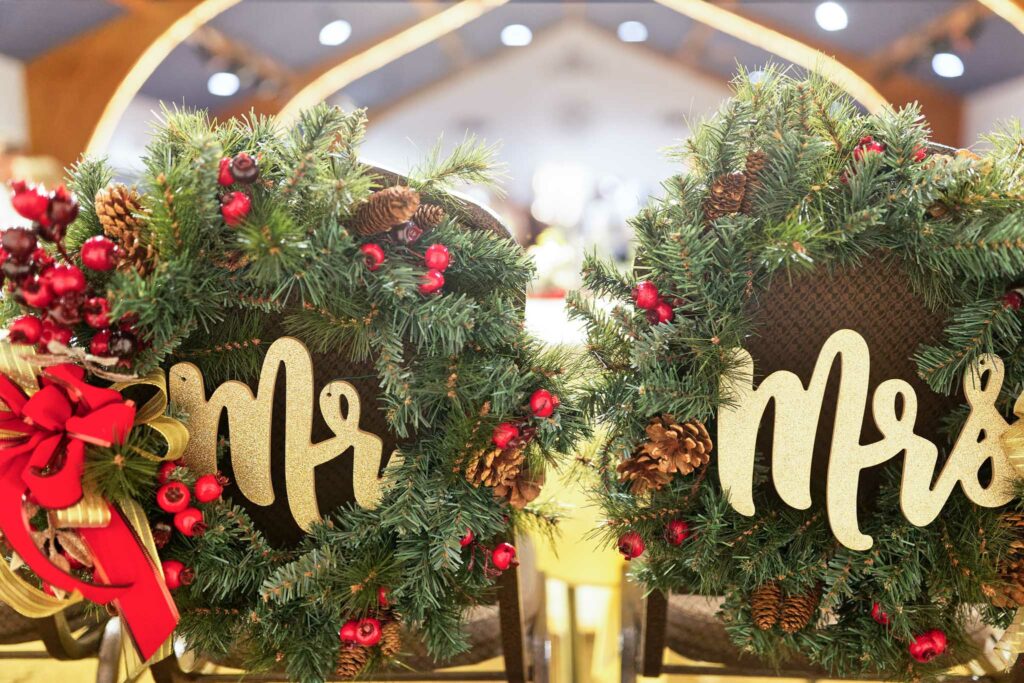
22. DIY-Friendly Venues with Flexibility
Choose venues that allow you to bring your own alcohol (The BYO Bar – Bring Your Own), decorations, and vendors rather than requiring you to use their preferred (often pricier) suppliers.
Note that DIY-friendly venues often require liability insurance ($200-$500 per day). Before this discourages you, check if your homeowner’s insurance covers special events, or if your credit card offers event insurance benefits. Many vendors already carry insurance that covers your event, reducing your needs. Always ask venues about insurance requirements upfront, as some require you to name them as “additional insured,” which increases costs significantly.
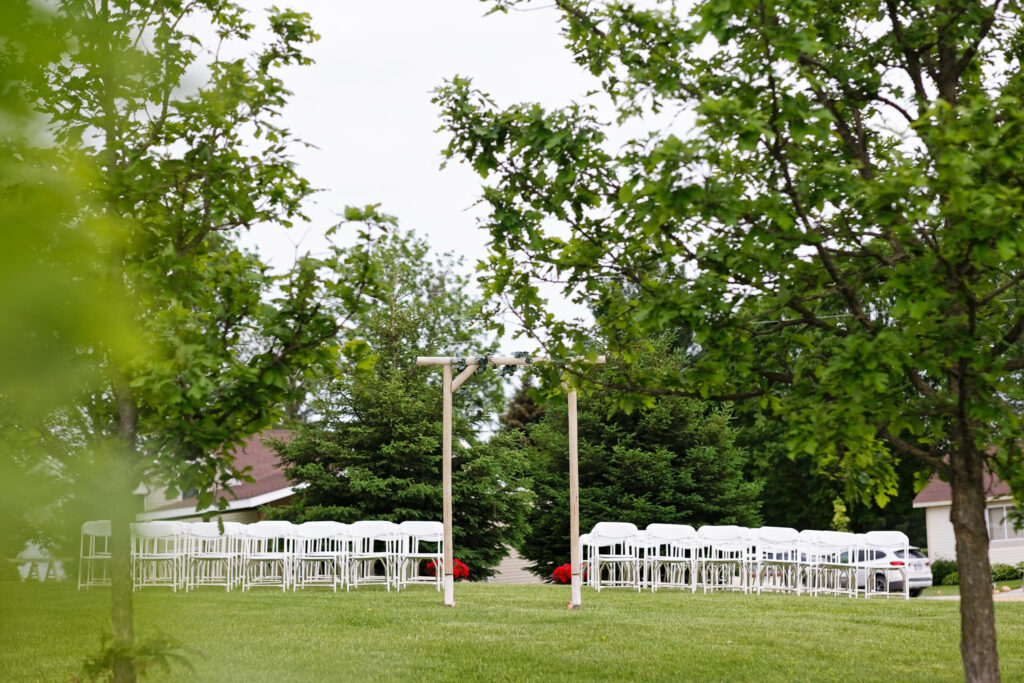
23. Opt for an out-site ceremony in a public park
Some venues charge more ($1,000 to $1,500) if you host your ceremony at the venue. Opt for a cheap public park that you can rent.
You would need to rent chairs, but sometime it might be cheaper than the venue.
Some couples also get married in private (elopement) and just hold a wedding reception, which is a convenient way to avoid the ceremony.
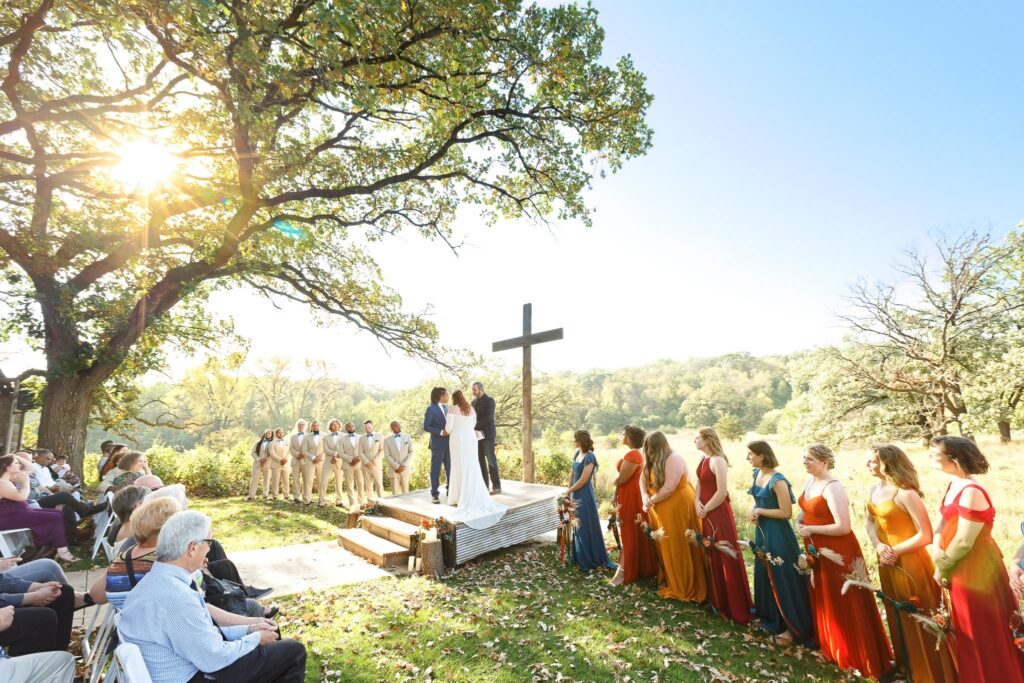
24. Host Ceremony and Reception at the Same Venue
At the opposite, some venue don’t charge (or only few $) for the ceremony. If you can have your ceremony and reception in the same location, you’ll save on:
- Time and coordination stress
- Second venue rental fee ($1,000 to $5,000+)
- Guest transportation between locations
- Extra setup and décor for two spaces
Many venues offer a discount for booking both ceremony and reception. Some include the ceremony space for free if you book the reception.
Tip: Ask if the ceremony fee can be waived or reduced if you’re already paying for the full reception.
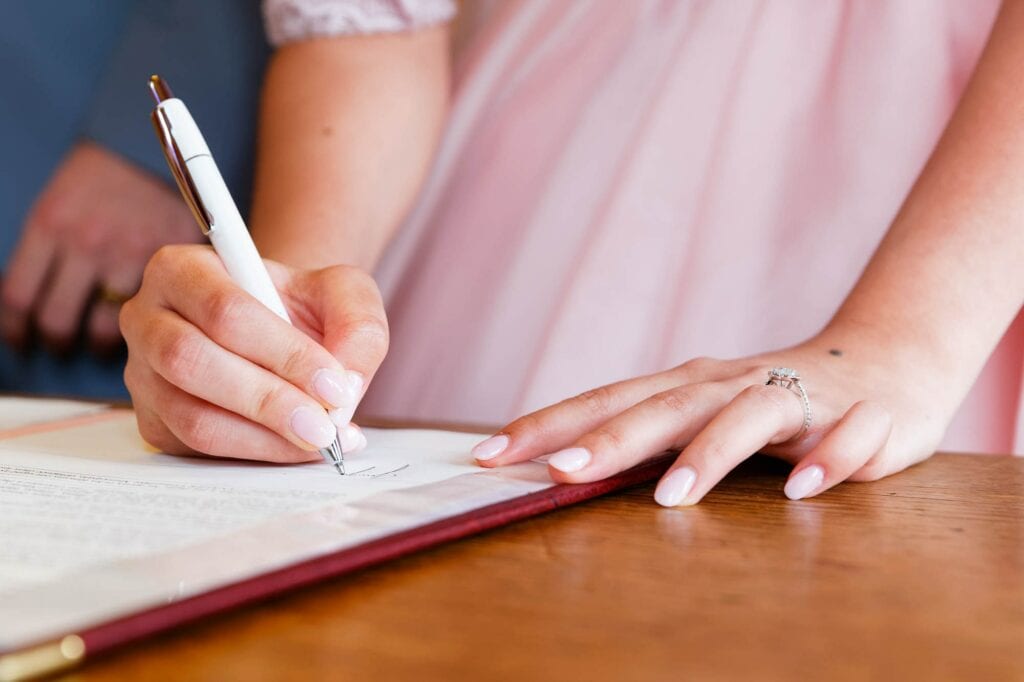
25. Read Each Contract Carefully, Compare and Adjust
Double-check everything in your contract. Check what’s included or not.
Pay attention to the bar setting fee, alcohol, or Food Minimums.
Look for tables, chairs, linen, silverware, and plates.
Check as well, for the taxes, and if the service is included or if there would be a 30% on top!
If there are things that you don’t need, please don’t hesitate to ask if you can take them out to save money.

26. Budget an Emergency Buffer (2.5% to 5%)
No matter how carefully you plan, unexpected costs will pop up.
- Last-minute dress alterations
- A surprise plus-one from your cousin
- Weather backup plan
- Vendor tips you forgot to budget
- That extra hour of DJ time because everyone’s having fun
Set aside 2.5% to 5% of your total budget as a contingency fund. On a $20,000 budget, that’s $500 to $1,000 in reserve. If you don’t use it? Bonus honeymoon money.

27. Ask if there is any Discount
Some venues offer a discount for:
- Military discounts (typically 10% for active duty)
- First responder discounts (firefighters, police, EMTs)
- Teacher/educator discounts
- Healthcare worker discounts
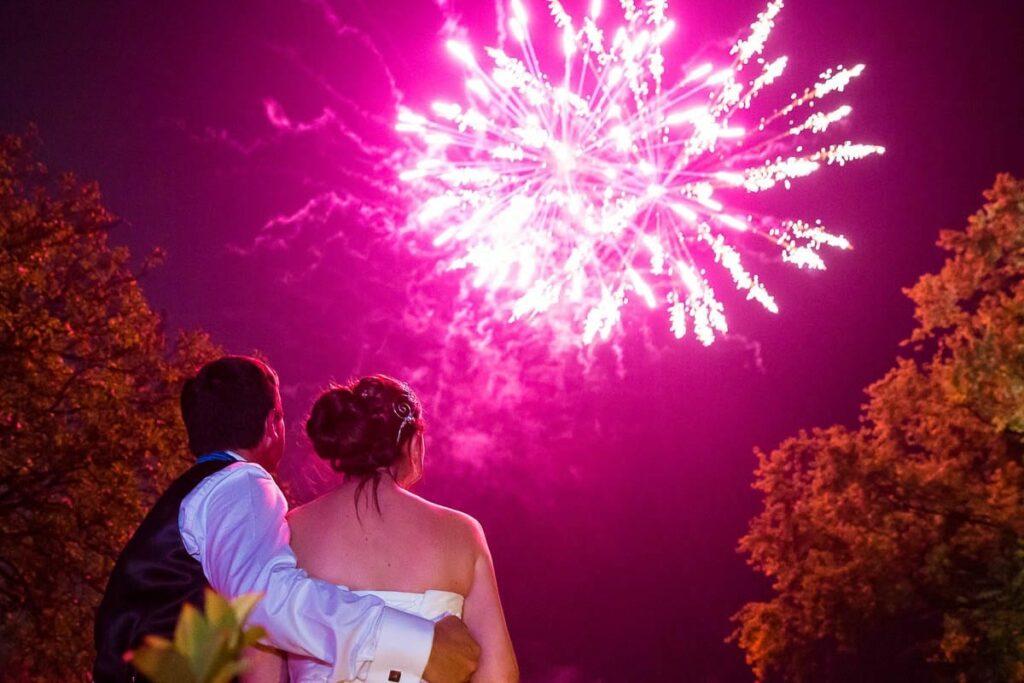
28. Hunt for Exceptional Discount…
Some venues (not all) sometimes offer a special discount on specific occasions. That often implies flexibility on your end. But if you are lucky, that could benefit you. So check for:
- Bridal Show: they might have a special offer
- Anniversary promotions: venues celebrating milestones
- Late availability deals: cancelled bookings offered at reduced rates

29. Payment and Timing
Some venues offer discounts (3-5%) if you pay upfront, but keeping your money longer might be smarter since you can earn interest or avoid loans.
Negotiate payment schedules: split large payments into monthly installments or delay final payment until 30 days before your wedding instead of 90 days.
For example, pay $1,000 monthly for four months rather than $4,000 upfront. Many venues are flexible about timing, especially during slower periods. The worst they can say is no, but this strategy helps manage cash flow alongside other wedding expenses.

30. Book your venue & Vendors Years in Advance to Beat the Inflation
Except if you live on another planet, you should now be familiar with the notion of inflation. Prices increase continuously, and some years more aggressively than others.
So, book this year, for in 2 years in advance, before the venue raises their price, and you would save on the inflation rate!
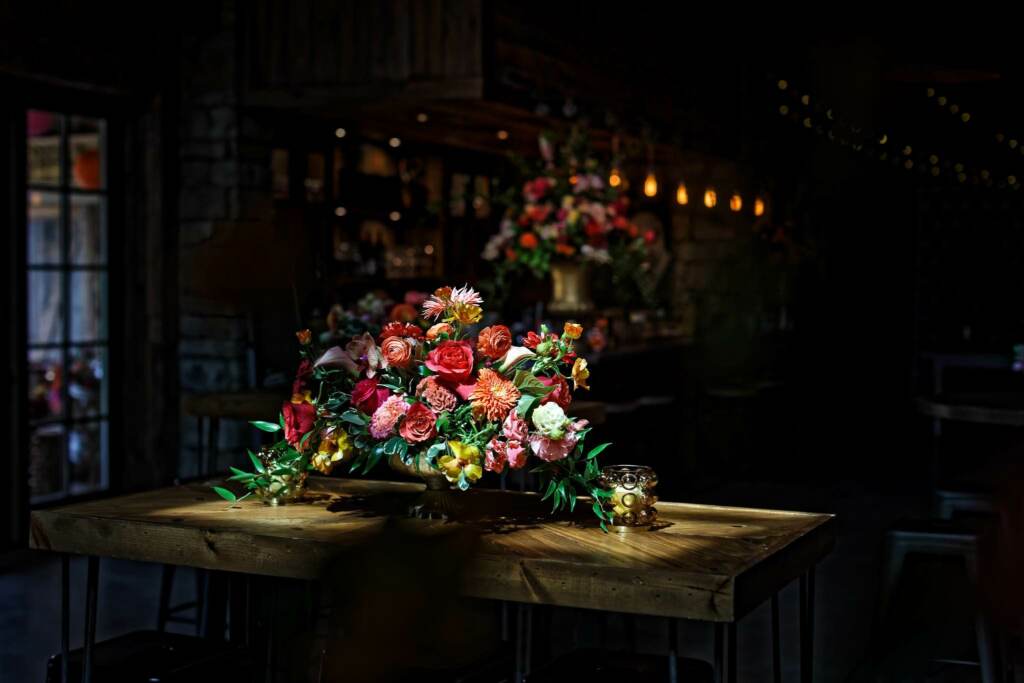
31.Choose In-Season Flowers and Food
Just like produce at the grocery store, flowers and food cost more out of season. Peonies in December? Expensive and imported. Peonies in May? Local and affordable. Ask your florist which blooms are in-season for your wedding month. Common affordable options:
- Spring: tulips, daffodils, ranunculus
- Summer: sunflowers, dahlias, zinnias
- Fall: chrysanthemums, marigolds, asters
- Winter: amaryllis, holly, evergreens
The same applies to food. Strawberries in January cost twice as much as in June. Ask your caterer about seasonal menu options, ideally sourced from local farms.

32. Negotiate Hotel Room Blocks for Guest Discounts
If you have out-of-town guests, block off hotel rooms for a group rate.
Hotels typically offer 10% to 40% off regular rates for wedding blocks. This saves your guests money and keeps everyone in one place.
How it works:
- Contact hotels near your venue
- Ask for a courtesy room block (no deposit required, no liability for unbooked rooms)
- Share the booking code on your wedding website
TIP: Take a big hotel suite that you can also use to get ready.
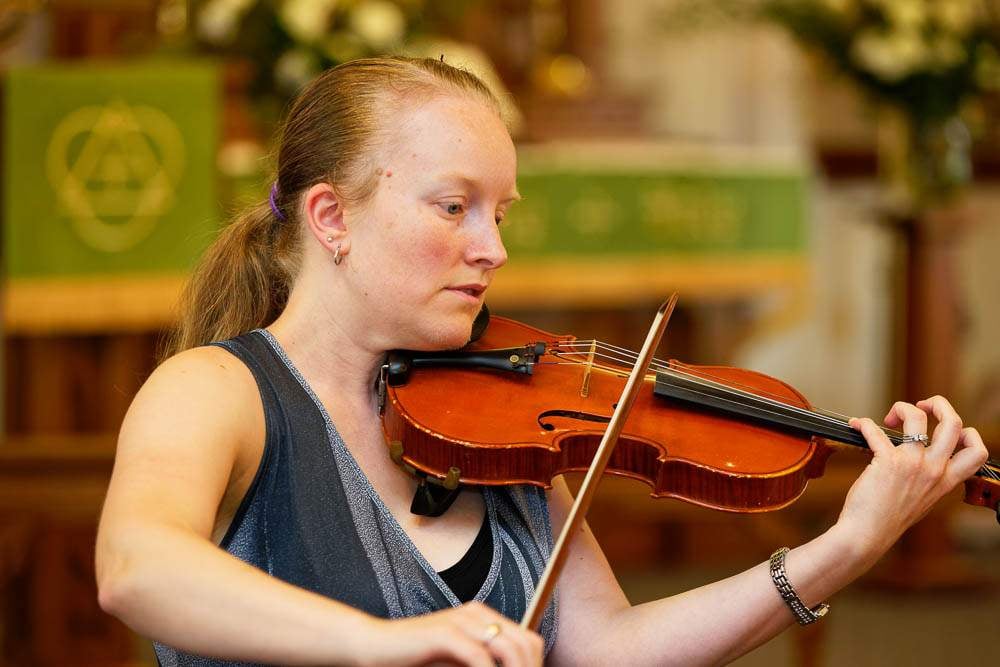
33. Hire Music Students for Ceremony Music
Music is often one of the first sacrificed vendors on tight budget, but it make such a difference.
So, if you are not afraid of a little hesitation on the music, contact the music department at a local university, and ask for student recommendations.
Music students are:
- Highly talented (many are near-professional level)
- Eager for performance opportunities
Note: In Rochester, check with the University of Minnesota Rochester or Saint Mary’s University in Winona.
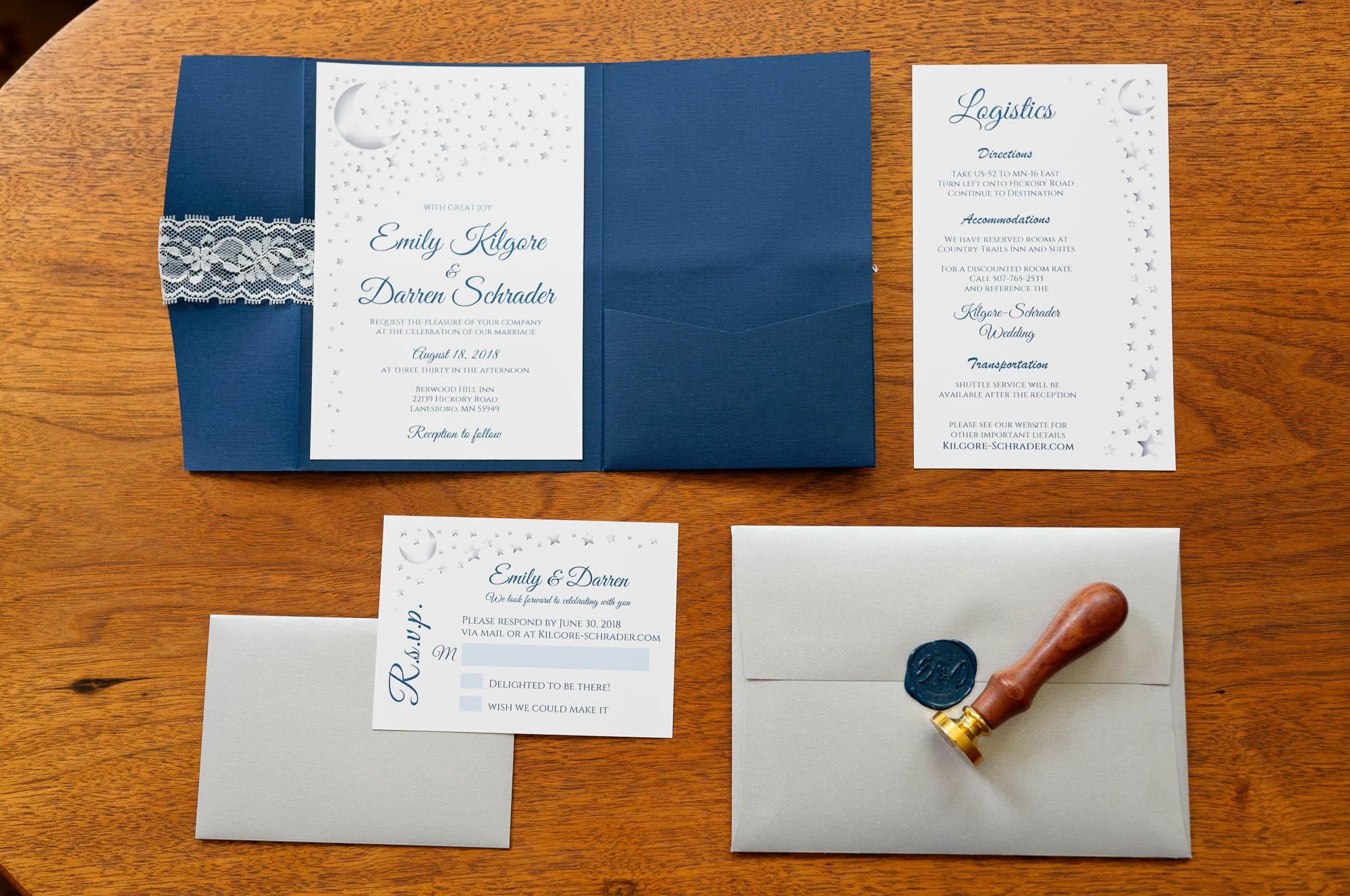
34. Go Digital: Skip Paper Save-the-Dates and Use Online RSVPs
Paper save-the-dates with professional photos can cost $200 to $500 (design, printing, postage). Their are classy, but not essential. Skip them entirely.
- Send a text & email with your wedding website link
- Use free digital save-the-date tools (Canva, Paperless Post)
- Let your wedding website handle RSVPs
Digital RSVPs are easier to track and update than paper cards getting lost in the mail.
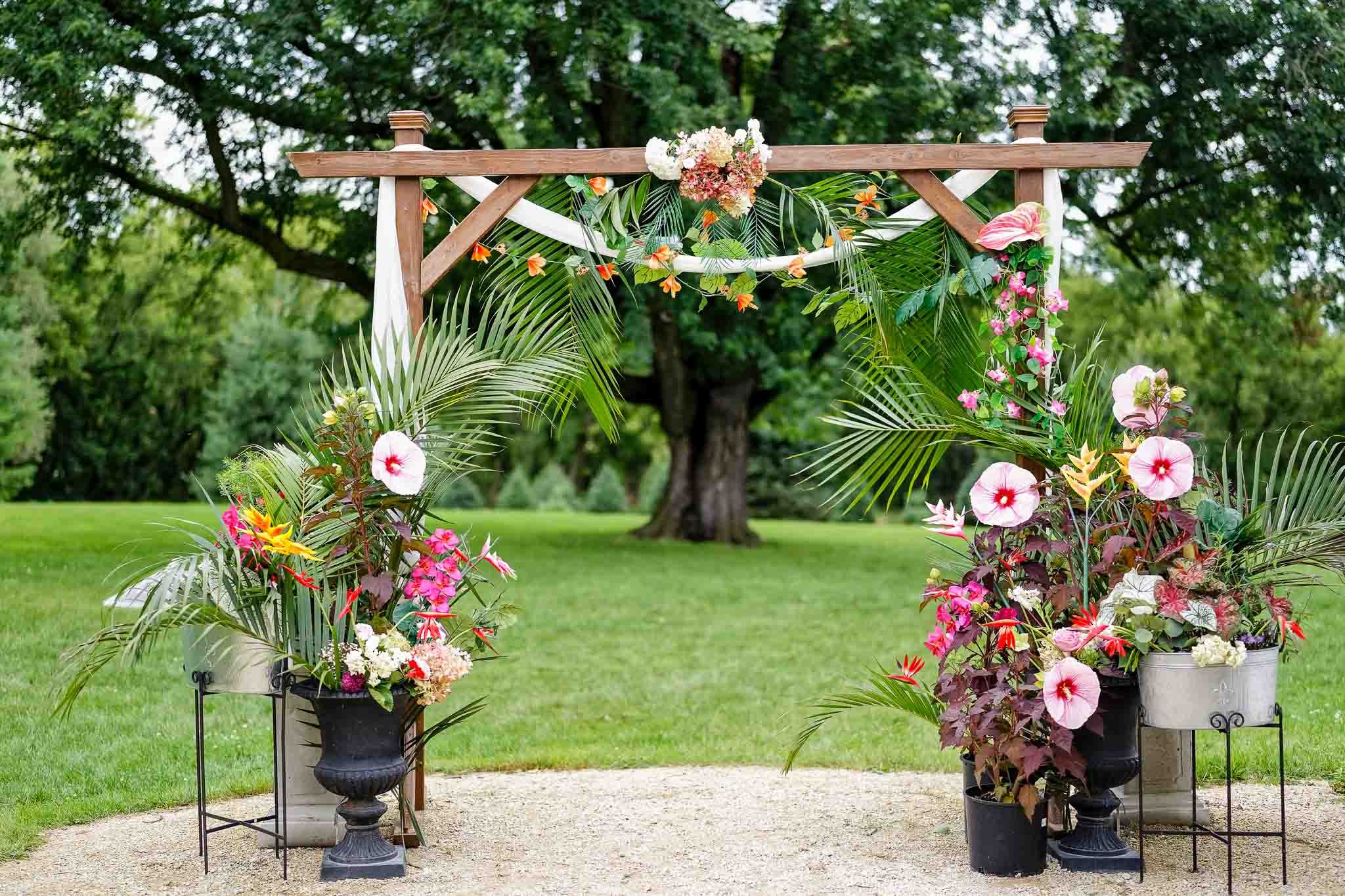
35. Buy USed ITEM and Re-sell THEM After the Wedding
Your wedding décor, dress, and accessories don’t have to brand news, and after the wedding don’t have to collect dust. So you can buy used decor elements, and sell them after the big Day:
- Wedding dress (consignment shops, Stillwhite, Poshmark). Worth it especially when it’s an expensive wedding dress!
- Arches
- Centerpieces and vases
- Signs and frames
- Lighting and string lights
- Linens and table runners
Many brides are looking for budget-friendly options. You recoup some costs, they get a deal. Win-win.
Tip: Ask your photographer if you can use their image, or take good photos of your items during the wedding.

36. You might Consider Hiring a Wedding Coordinator
This sounds counterintuitive, but hear me out. If you are on a budget of $20,000-$30,000, A wedding planner, or day-of coordinator could ending saving your money.
What they save you:
- Your sanity on the wedding day
- Vendor connections and negotiated rates
- Avoiding hidden fees you didn’t know to ask about
- Preventing costly last-minute changes
Frequently Asked Questions: Saving Money on Wedding Venues
Voici la section FAQ réécrite pour correspondre aux 36 tips de ton article mis à jour:
Frequently Asked Questions: Saving Money on Wedding Venues
Planning & Timing
How much can I realistically save using these strategies?
Savings vary widely depending on your venue choice and strategies used. For mid-range venues ($4,000 to $8,000), you could save $500 to $3,000 by choosing off-peak dates. Premium venues can offer savings up to $12,000. Combining multiple strategies (off-season plus weekday plus shorter hours plus contract negotiations) can result in 30 to 50 percent total savings.
What is the best day of the week for maximum savings?
Monday through Thursday offers the deepest discounts. Sunday is the most practical compromise for most couples. It is significantly cheaper than Saturday, though it may come with time restrictions and guests tend to leave earlier. Friday pricing usually falls between Sunday and Saturday.
How far in advance should I book versus trying last-minute negotiations?
For maximum selection, book 12 to 18 months ahead to lock in current pricing before vendors raise their rates. If you are flexible and willing to take risks, venues with availability two months out are often eager to fill dates and may offer substantial discounts. City-managed gemstone venues are rarely available last-minute.
What is considered off-season for weddings in Minnesota?
Generally November through March, with January and February being the cheapest months. Some venues also consider weekdays during peak months (May through October) as off-peak pricing. Winter weddings can be stunning indoors, and you will have far more venue availability.
Guest Count & Budget
How does trimming the guest list affect venue costs?
Guest count is one of the biggest cost drivers. Most venues charge $50 to $150 per person for catering alone. Cutting 20 guests at $100 per person saves $2,000 on food. Smaller guest counts also mean smaller venue requirements, fewer table rentals, less décor, and fewer invitations. Micro-weddings (under 50 guests) can save $15,000 to $40,000 compared to traditional 150+ guest weddings.
Should I budget an emergency fund for my wedding?
Yes. Set aside 2.5 to 5 percent of your total budget as a contingency fund. On a $20,000 budget, that means $500 to $1,000 in reserve. This covers last-minute alterations, surprise plus-ones, weather backup plans, vendor tips, or overtime charges. If you do not use it, it becomes bonus honeymoon money.
Should I prioritize saving money on the venue or other wedding elements?
Since venues typically consume 40 to 50 percent of your budget, they offer the biggest potential savings. However, balance this with guest experience. A significantly cheaper venue an hour away might increase guest travel costs and reduce attendance.
Contract & Financial Details
What specific questions should I ask when reviewing venue contracts?
Ask the venue: What is included in the base price (tables, chairs, linens, sound system)? Are there food or drink minimums, and what happens if you do not meet them? What tax rates and service fees apply on top of quoted prices? Can you remove services you do not need to reduce costs? What is the payment schedule? What are the cancellation and change policies?
What is the difference between service charges and gratuity?
Service charges (18 to 25 percent) go to the venue for staffing, setup, and operations. This is not a tip. Gratuity (15 to 20 percent) goes directly to servers, bartenders, and staff. Some venues include both, others include only service charge and expect additional tips. A $10,000 catering bill can become $12,500+ after service charges, tax, and gratuity. Always ask for the total cost including everything before signing.
What does liability insurance for DIY venues typically cost?
Usually $200 to $500 per day. Before purchasing, check if your homeowner’s insurance covers special events or if your credit card offers event insurance benefits. Many vendors carry insurance that may cover your event. Always ask venues about insurance requirements upfront.
How do food and drink minimums work?
Minimums require you to spend a set amount on catering or bar service regardless of your actual consumption. If your guest count does not naturally reach this amount, you pay the minimum anyway. Always calculate the per-person cost based on these minimums, not only the menu prices.
Venue Types & Alternatives
Are restaurant weddings really cost-effective for small weddings?
Yes, especially for 20 to 50 guests. Restaurants often waive room fees if you meet food minimums, and you typically get professional service and ambiance without additional decoration costs. The space is already set up and attractive.
What makes a venue DIY-friendly, and is it worth it?
DIY-friendly venues allow you to bring your own vendors, alcohol, and decorations rather than using preferred suppliers. It is worth it if you are organized and have time to coordinate multiple vendors. Factor in insurance costs ($200 to $500) and coordination time when comparing to all-inclusive options.
How do I find city-managed venues in my area?
Check your city’s parks and recreation department website, contact local historical societies, and search for municipal event spaces. These often include historic homes, museums, and park pavilions at very reasonable rates. In Rochester, examples include the Plummer House, Floral Hall, Aune Hall, and Crawford Hall.
Should I choose all-inclusive or à la carte venue options?
Compare total costs carefully. An all-inclusive package at $15,000 might seem expensive, but adding up à la carte rentals (venue, tables, chairs, linens, dinnerware, sound system, catering, coordination) often totals more. All-inclusive also means one vendor to manage instead of six. Always ask what is included and what costs extra.
Should I have my ceremony and reception at the same venue?
If possible, yes. Having both at the same location saves on second venue rental fees ($1,000 to $5,000+), guest transportation, extra setup and décor, and coordination stress. Many venues offer discounts for booking both, and some include the ceremony space for free with the reception.
Food, Beverage & Cake
How can I save on alcohol without having a cash bar?
Several options work well. Offer signature “his and hers” cocktails plus beer and wine instead of a full open bar (saves $1,000 to $4,000). Serve premium alcohol during cocktail hour, then switch to house brands. Check if your venue allows you to bring your own alcohol. Some couples limit bar hours or skip hard liquor entirely.
What is the sheet cake trick?
Order a small, beautiful cake for display and cake-cutting photos. In the kitchen, have sheet cake pre-sliced for serving guests. Nobody notices the difference. A three-tier cake for 150 guests costs $800 to $1,500+. Display cake plus sheet cake costs $300 to $500. Savings: $500 to $1,000.
How do in-season flowers and food save money?
Out-of-season items must be imported, which increases costs significantly. Peonies in December are expensive and imported. Peonies in May are local and affordable. The same applies to food: strawberries in January cost twice as much as in June. Ask vendors about seasonal options for both flowers and menu items.
Practical Tips
How does a fog machine help transform a basic wedding venue?
A fog machine (around $150 rental) can transform a basic corporate space into an atmospheric party venue for photos and dancing. Most DJs provide this service. Combined with uplighting on the walls, it makes basic venues look spectacular in photos without expensive décor.
Can I really negotiate with established venues?
Yes, especially for dates within two to three months, off-season bookings, or if you are flexible with your date. Even established venues prefer a booked date at reduced rates over an empty calendar. The worst they can say is no.
How do vendor referrals help save money?
Your vendors know each other. Photographers work with florists, DJs work with venues, planners know everyone. Once you book a vendor you trust, ask them for referrals to other quality vendors in your price range. This saves hours of research and helps you avoid overpriced or unreliable options.
Should I hire a wedding coordinator to save money?
It sounds counterintuitive, but a day-of coordinator ($800 to $1,500) often saves more than their cost through vendor connections, catching hidden fees, and preventing costly last-minute problems. Some venues require at least a day-of coordinator anyway. For budgets of $20,000 to $30,000, a coordinator can actually reduce your total spending.
How can I save on ceremony music?
Contact local university music departments and ask for student recommendations. Music students are highly talented, eager for performance opportunities, and charge a fraction of professional rates ($100 to $300 versus $500 to $1,500). In Rochester, check with University of Minnesota Rochester or Saint Mary’s University in Winona.
How do hotel room blocks work?
Contact hotels near your venue and ask for a group rate. Hotels typically offer 10 to 40 percent off regular rates for wedding blocks. Ask for a courtesy room block (no deposit required, no liability for unbooked rooms). Share the booking code on your wedding website. You can also use a large hotel suite as your getting-ready space.
Can buying used items and reselling after the wedding really save money?
Yes. Wedding dresses, arches, centerpieces, vases, signs, frames, lighting, and linens all have resale value. Buy used items before the wedding and sell them after. Many brides are looking for budget-friendly options. Take good photos of items during the wedding since “in-use” pictures sell faster.
Can digital invitations really save money?
Yes. Paper save-the-dates with professional photos cost $200 to $500 for design, printing, and postage. Skip them entirely and send texts or emails with your wedding website link. Digital RSVPs are easier to track and update than paper cards getting lost in the mail. Use free tools like Canva or Paperless Post.
What military or professional discounts are commonly available?
Many venues offer 10 percent discounts for active military, veterans, first responders (firefighters, police, EMTs), teachers, and healthcare workers. Always ask, even if not advertised. In healthcare-heavy communities like Rochester, Mayo Clinic employee discounts are worth asking about.
Should I pay venues upfront for discounts?
The 3 to 5 percent discounts for upfront payment are often outweighed by keeping your money longer to earn interest or avoid loans. Negotiate payment schedules instead: split large payments into monthly installments or delay final payment until 30 days before your wedding instead of 90 days.
Bottom Line
What are the three most impactful money-saving strategies?
First, choose off-season or weekday dates (this alone can save $1,000 to $12,000). Second, carefully review and negotiate catering and bar minimums and restrictions. Third, pick venues that are naturally beautiful and require minimal decoration. These three strategies alone can save you thousands without compromising your vision.
Conclusion
At the end of the day, there is no magic tips: the biggest savings usually come from three simple but powerful decisions: picking the right date, paying attention to catering rules, and watching out for food and bar minimums.
Choosing an off-season or weekday can save you thousands. Being mindful of catering restrictions can prevent you from getting locked into inflated prices. And carefully reviewing food and drink minimums can make sure you are not spending more than you actually need.
By combining those major strategies with the smaller tips above, you can have a wedding venue that is both beautiful and budget-friendly.
If you are still searching for the perfect location, you can check the list of affordable venues and the High-End venues in Rochester. Check also my guide for planning your wedding in Rochester.
For everything about photography, I would love to help you capture your day in a way that makes all your smart planning worth it. Reach out to me, and let’s talk about how I can document your celebration in a way that feels timeless and effortless.