Something’s Off in Wedding Photography This Year
My inbox is quieter than it should be
After twenty years photographing weddings in France and then Minnesota, I’ve developed an instinct for the rhythm of booking season. January through March, inquiries flood in (couples freshly engaged over the holidays, eager to lock down their vendors for fall weddings). It’s predictable. Reliable. The foundation of cash flow planning for every wedding photographer I know.
This year, the flood is more of a trickle.
I’m not alone. Over the past few months, I’ve had the same conversation with a dozen colleagues: “Are you seeing this too?” The answer is almost always yes. Fewer inquiries. More price sensitivity. Couples who ghost after the first email. Photographers who’ve been fully booked by February for the past decade are staring at open Saturdays in September.
Something structural is happening. I wanted to understand what, not just to calm my own nerves, but because if you’re a couple planning a wedding right now, you deserve to understand the market you’re navigating. And if you’re a fellow photographer, maybe this helps make sense of the unease we’re all feeling.
Table of Contents
The Engagement Gap: Covid’s Missing Couples
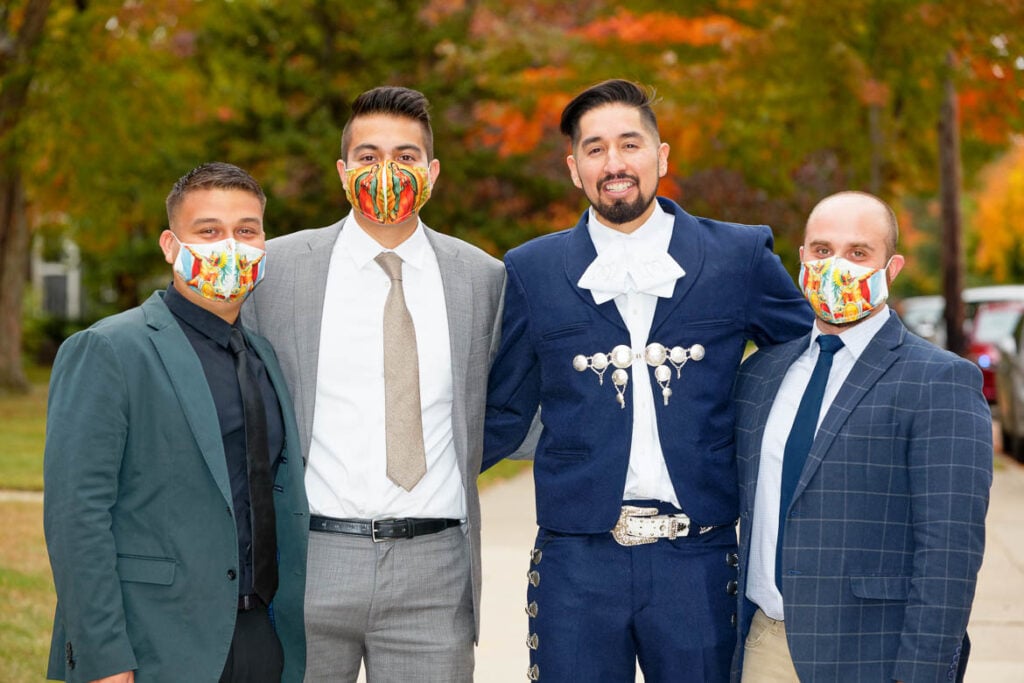
Here’s a theory I kept hearing and finally dug into: the weddings of 2025 and 2026 were shaped by the relationships that formed (or didn’t form) in 2020 and 2021.
The math is simple. The average couple dates for about three years before getting engaged. When bars closed, offices emptied, and social gatherings became irresponsible, the “top of the funnel” for future weddings constricted. Fewer first dates in 2020 means fewer engagements in 2023, which means fewer weddings now.
This isn’t just speculation. Signet Jewelers (the company behind Kay, Zales, and Jared) tracks engagement ring sales obsessively. It’s their business to predict this stuff. Their data shows a measurable dip in engagement ring purchases in late 2023 and early 2024, exactly where you’d expect the pandemic’s social disruption to show up downstream.
The 2022 “COVID boom” masked this. Postponed weddings from 2020 and 2021 created an artificial surge (photographers were double-booked, venues were packed, and everyone assumed the good times would continue). They didn’t. That backlog has cleared, and now we’re in the gap.
The hopeful news: Signet’s data suggests engagements started recovering in late 2024. If that holds, 2027 and 2028 should feel more normal. But that doesn’t help anyone staring at a half-empty 2025 calendar right now.
The Minnesota Reality: Feast, Famine, and the Hollow Middle
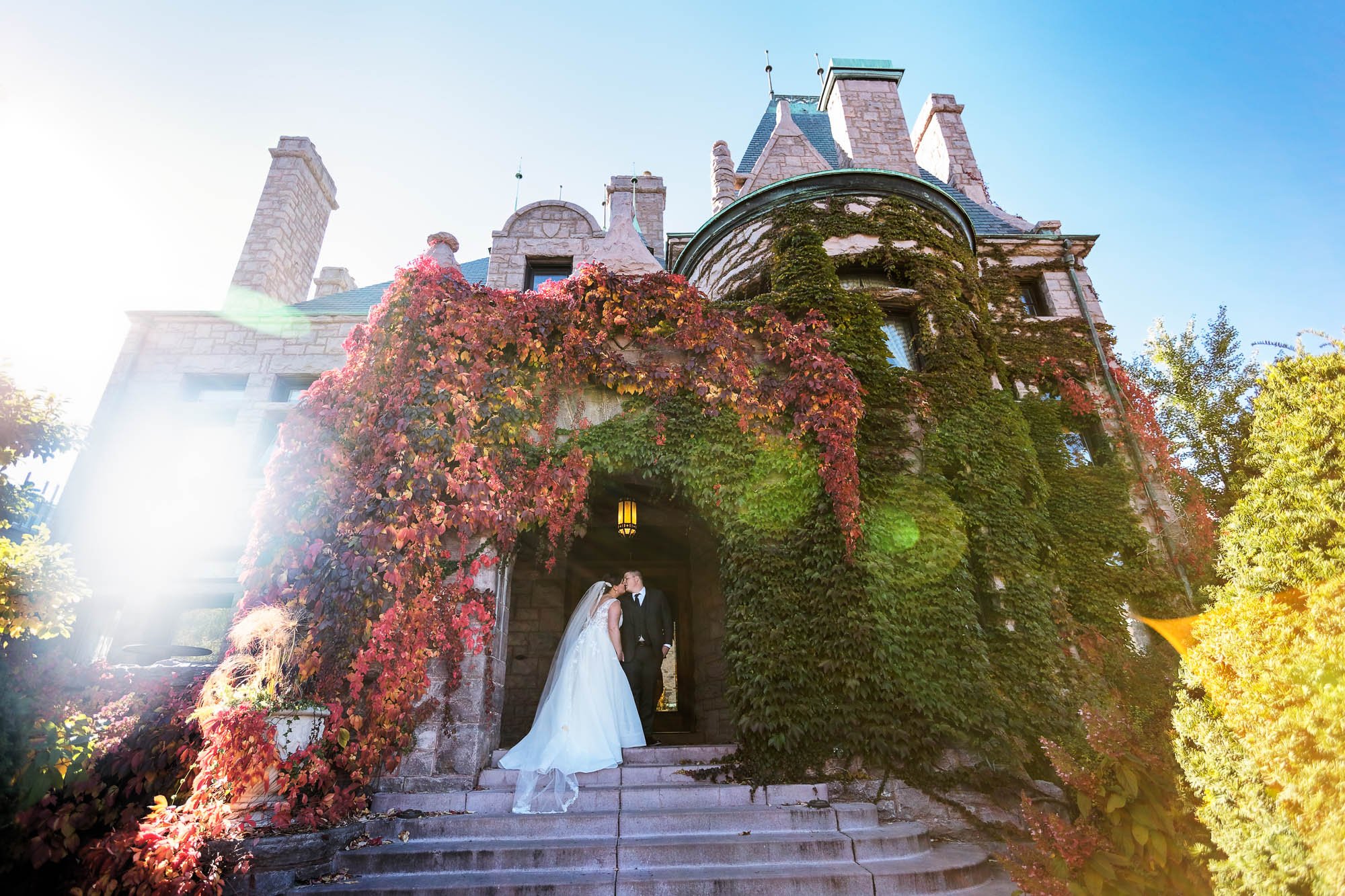

I photograph weddings primarily in Minnesota (Rochester, the Twin Cities, and the surrounding areas). It’s a market I know intimately, and it illustrates the national pressures in sharp relief.
A seasonality windows
Unlike photographers in Texas or California, I have roughly five months to earn a year’s income. Late May through mid-October. Twenty weekends, give or take. Miss three Saturdays in July to a slow booking season, and there’s no making it up in January (even winter weddings start to be more popullar).
The Middle Squeeze
Here’s a number that surprised me: the average Minnesota wedding costs around $37,000, but the median is closer to $19,000. That gap tells you everything. There’s a resilient luxury market in the Twin Cities (couples spending $50,000 or more who aren’t particularly price-sensitive). And there’s a budget market, couples stretching every dollar. But the middle (the historical sweet spot where a photographer could charge $3,500 and stay comfortably busy) has hollowed out.
Photographers in that range find themselves in no-man’s land. Too expensive for the median couple allocating $19,000 across all vendors. Not prestigious enough to compete for the limited luxury clients. The comfortable middle ground that sustained careers for decades is eroding.
A market that became saturated
New Mirrorless Cameras have gotten remarkably good and remarkably affordable. A Canon R6, a Nikon Z6 III, or Sony A7IV produces technically, professional-quality images in the hands of almost anyone with basic competence. This has lowered the barrier and required skills to entry dramatically. So, on a sunny day, with a good lightening, it became easier to take good images. (Dark venue, real candid shots, are still, luckilly, a field that required more experience. But lot of clients don’t have a photography sensibility, and are just looking for clean pictures).
The numbers tell the story clearly. According to IBISWorld, photography businesses in the US grew from about 172,000 in 2014 to nearly 260,000 in 2024 (a 51% increase). Meanwhile, the number of weddings stayed essentially flat: 2.1 million in 2014, 2.0 million in 2024. Fifty percent more photographers competing for the same number of weddings.
But the raw numbers hide an important hierarchy. Government and industry data reveal different layers of the market:
At the foundation, roughly 260,000 photography businesses exist nationally (IBISWorld). But only about 214,000 file taxes as solopreneurs under the portrait photography category (Census Bureau Nonemployer Statistics). The gap represents hobbyists and part-timers who don’t file Schedule C for their photography income, treating it as occasional side money rather than a business.
More telling: only about 71,500 photographers carry liability insurance (based on industry insurance data). This matters because famous venues require a Certificate of Insurance to shoot on their property. That “insured” number represents the true professional tier, people serious enough to invest in the legal requirements of the job.
| What It Measures | National | Minnesota | Source |
|---|---|---|---|
| Active photography businesses | ~260,000 | ~4,400 | IBISWorld |
| Filing taxes (solopreneurs) | ~214,000 | ~3,900 | Census / IRS |
| Employed photographers (W-2) | ~52,000 | 1,830 | BLS |
| Total workforce (incl. self-employed) | ~151,200 | ~5,400 | BLS (66% self-employed) |
| Carry liability insurance | ~71,500 | ~1,300 | Insurance industry data |
For Minnesota specifically, Bureau of Labor Statistics data shows 1,830 employed photographers (W-2 workers). Since BLS estimates 66% of photographers are self-employed, that suggests roughly 5,400 total photographers in the state. Census data shows about 3,900 filing taxes as photography businesses, and insurance estimates put the “venue-ready” professionals at around 1,300.
All 5,400 show up in Google searches. All of them have Instagram accounts. Couples see what looks like infinite choice. But only about 1,300 can actually work at most venues.
The rest create noise that makes the market feel more saturated than the “real” competition actually is, while simultaneously driving price expectations down.
The 2022 wedding boom made this worse. Minnesota Secretary of State data shows photography business filings doubled that year compared to 2019 averages. Newcomers saw the surge and jumped in. But 2024 saw a 30% spike in dissolved or inactive photography LLCs. The correction is already happening, though it takes time for the market to clear.
Established photographers are leaving due to burnout (I’ll get to that), but they’re being replaced by multiple new shooters willing to work for $1,500 or less. The sub-$2,000 market is saturated with enthusiastic newcomers, driving a race to the bottom that pressures everyone’s pricing.
The Hidden Costs of Getting Hired
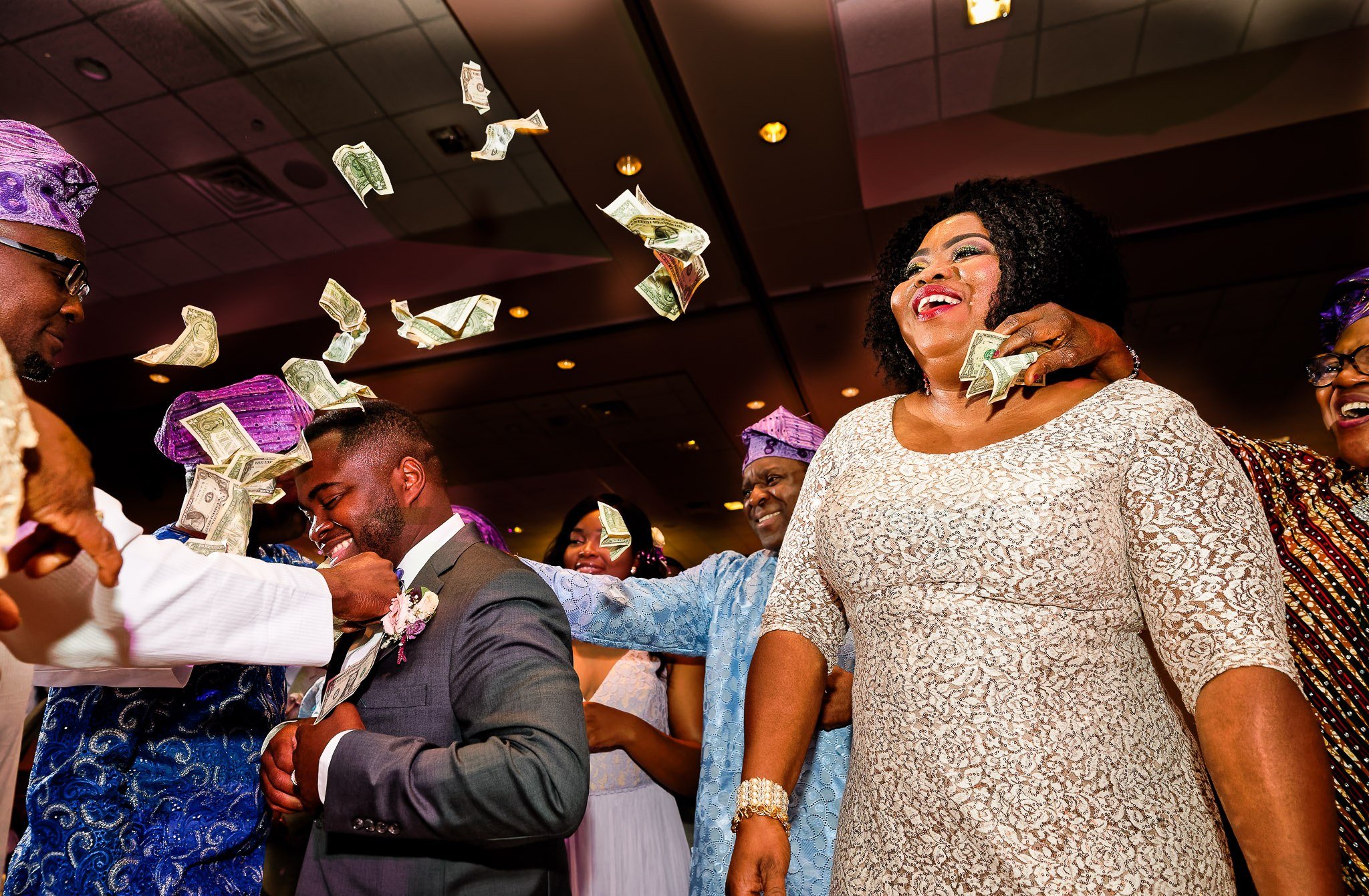
Here’s something couples rarely see: how much it costs a photographer just to get the inquiry that leads to the booking
Advertising
I spend roughly $1,000 per month on between Wedding shows, Facebook, Google Ads targeting the Minneapolis market (check here how wedding photographers can do marketing). A good month means a 6-7% click-through rate and maybe three or four qualified leads. Do the math on that cost-per-acquisition and it’s sobering. Wedding listing sites (The Knot, WeddingWire) charge around $12,000 annually for premium placement, with declining returns as couples increasingly search directly on Google and Instagram.
The venue game
In Minnesota, getting on a venue’s preferred vendor list can make or break a photographer’s season. Mayowood Stone Barn, Garten Marketplatz, the established venues with steady wedding volume: they all maintain lists. Some are based purely on quality and professionalism. Others involve relationships, kickbacks, or simply being willing to do free styled shoots for the venue’s marketing. It’s a parallel economy that operates mostly invisibly to couples.
When a photographer quotes $4,000 for wedding coverage, they’re not pocketing $4,000. They’re covering the cost of the last six months of marketing that produced that single booking.
What’s Actually Included (And What It Costs to Deliver)
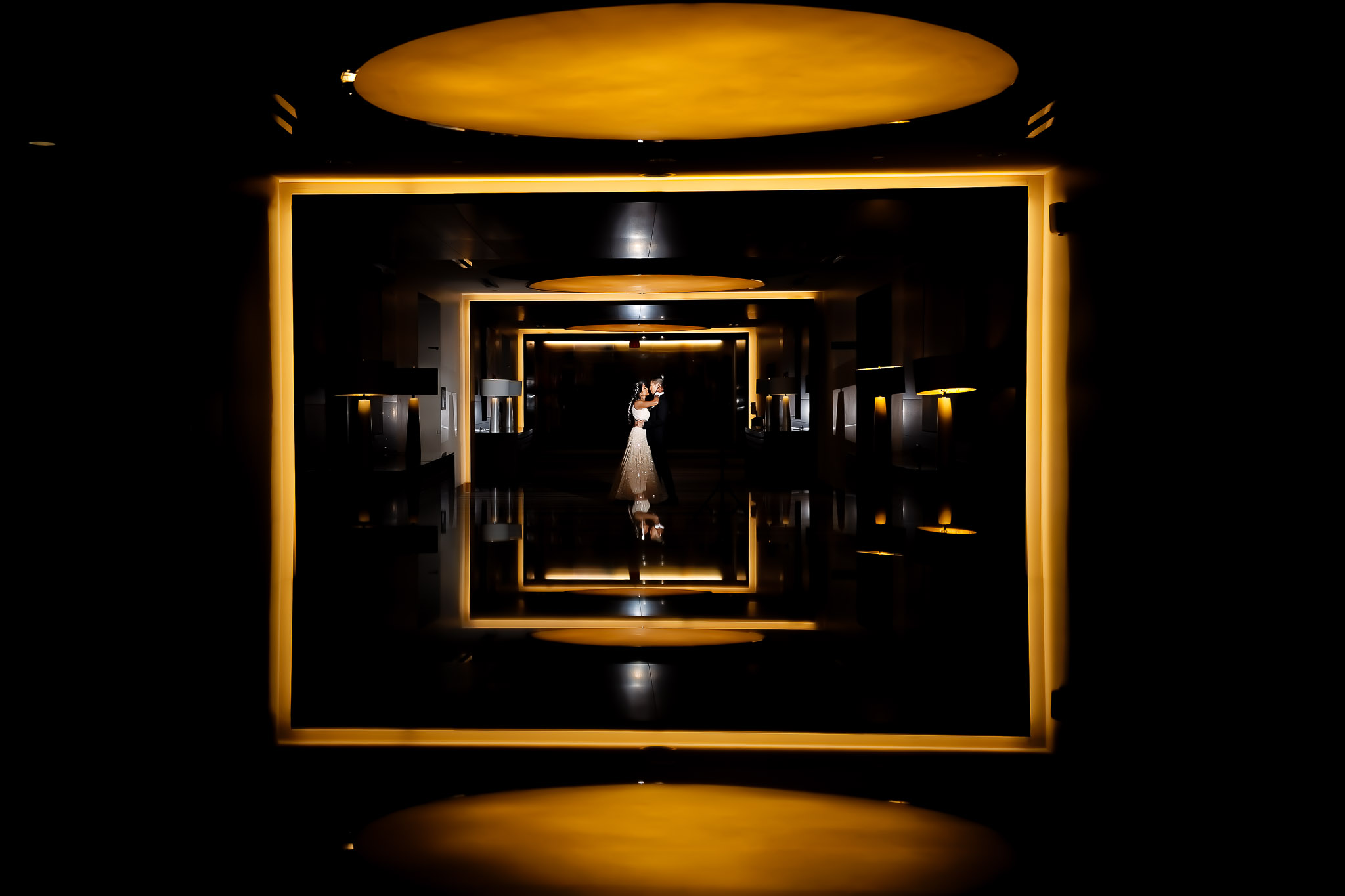
There’s a persistent misunderstanding about what wedding photography pricing covers.
In 2016, the average photographer charged around $2,800. That usually meant wedding-day coverage only: show up, shoot, deliver images.
In 2025, average pricing hovers around $2,900 to $3,500. Sounds like modest inflation. But here’s what’s changed: to stay competitive in a saturated market, most photographers in this range now include an engagement session (a separate shoot worth $400 to $600) as standard.
Photographers are doing two shoots for barely more than what one shoot cost a decade ago, adjusted for inflation. The effective rate for the wedding day itself has actually dropped.
Second shooters
The second shooter has become a marketing thing, almost for social distinction, and clients whats more. At least they assume that with a second shooter they would have twice more images, which is not true. Most weddings don’t really need a second shooter.
But some weddings (the one where the bride and the groom don’t want to do a first look), benefit from a second photographer (someone to catch candid moments I’d miss while doing formal portraits).
A good second shooter costs $500 to $800 for the day.
Same Week sneak peeks
This expectation barely existed five years ago. Now it’s nearly universal. Couples want three to five polished images posted to social media before they’ve left for their honey moon. Some photographers even offer Same-day sneak peeks! That means culling and editing on a laptop in a corner of the venue while the party continues (work that used to happen over the following week, compressed into stolen minutes between the first dance and cake cutting).
The editing mountain
A typical wedding produces 3,000 to 5,000 raw images. Culling that down to 700-800 deliverables, then color-correcting and retouching each one, represents 20 to 40 hours of post-production work. Per wedding. During peak season, that work stacks up.
That’s why, some photographers would outsource the retouching…
The Outsourcing Question
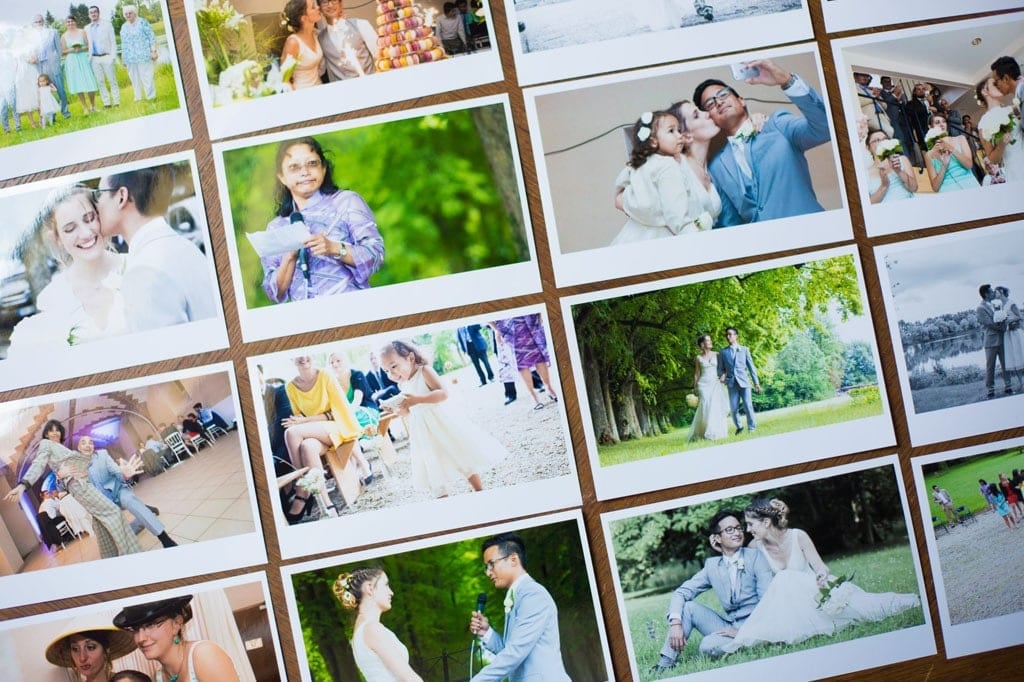
Faced with this editing mountain, photographers have options. None are perfect.
Ai Tools
AI culling and editing tools like Aftershoot and ImagenAI promise to slash post-production time. They’ve gotten better. They can handle the obvious technical calls (exposure, white balance, rejecting blurry frames).
But here’s what I’ve found after testing them: AI is binary in ways that photography isn’t. “Eyes open” registers as good; “eyes closed” as bad. The algorithm doesn’t understand that a bride crying during vows, eyes squeezed shut, might be the most powerful image of the day. A groom throwing his head back in laughter, eyes invisible, gets flagged for rejection.
The deeper problem is subtlety. When you have five technically perfect shots of the same moment, AI can’t pick the best one. It doesn’t see the slight difference in a smile, the shift in energy, the micro-expression that makes one frame sing and the others fall flat. That judgment (the part that actually matters) still requires human eyes.
The result is that you can’t trust the AI’s “rejected” pile. The photographer have to review it manually anyway, hunting for the emotional moments the algorithm missed. As a result, and after testing two solution, I found that still doing my entire selection myself was actually time saver, than using an AI and having to double check!
Outsourcing the Retouch
Offshore editing houses, usually based in Asia, charge $200 to $300 per wedding for basic color correction. The economics are attractive. The results are inconsistent. Different editors handle different weddings, so your visual style varies. And “basic color correction” means exactly that (they’ll fix exposure and white balance, but they won’t remove the exit sign behind the bride’s head or smooth a blemish without significant per-image upcharges). You often end up re-editing their work anyway.
Private Editors
Private editors (usually other photographers who’ve built editing into their business model) charge more ($400 to $800 per wedding) but learn your specific aesthetic. “I like my greens desaturated, warm shadows, pulled highlights.” They internalize your style and deliver work that feels like yours.
For photographers serving premium clients who expect a consistent look, this is often the only viable path. But it’s an expense that squeezes margins further.
Plus external editors, like offshores editors, won’t know who is is the photos, if it’s an important grandma’s photo to keep, or not.
As a result, lot of photographers still edit and retouch their images by themself to keep the best quality (check our retouching process).
The Album Equation

Here’s where business models diverge.
Many photographers have moved to “digital only” delivery (images on an online gallery, client downloads what they want). It’s simpler, lower overhead, and what budget-conscious couples often prefer.
But albums remain one of the few genuine profit centers in wedding photography. A custom-designed album with professional printing costs the photographer $400 to $600 to produce. Sold to the client for $1,200 to $2,500, it represents margin that pure digital delivery can’t match.
More importantly, albums are the thing that survives. Twenty years from now, couples won’t be scrolling through a cloud folder. Hard drives fail. Services shut down. The physical album on the shelf is what gets pulled out to show children and grandchildren.
I’m still offering amazing albums not just because of the economics but because I’ve seen too many clients from my early years lose their digital files to crashed computers and forgotten passwords. The album endures.
Photo and Video: Different Crafts
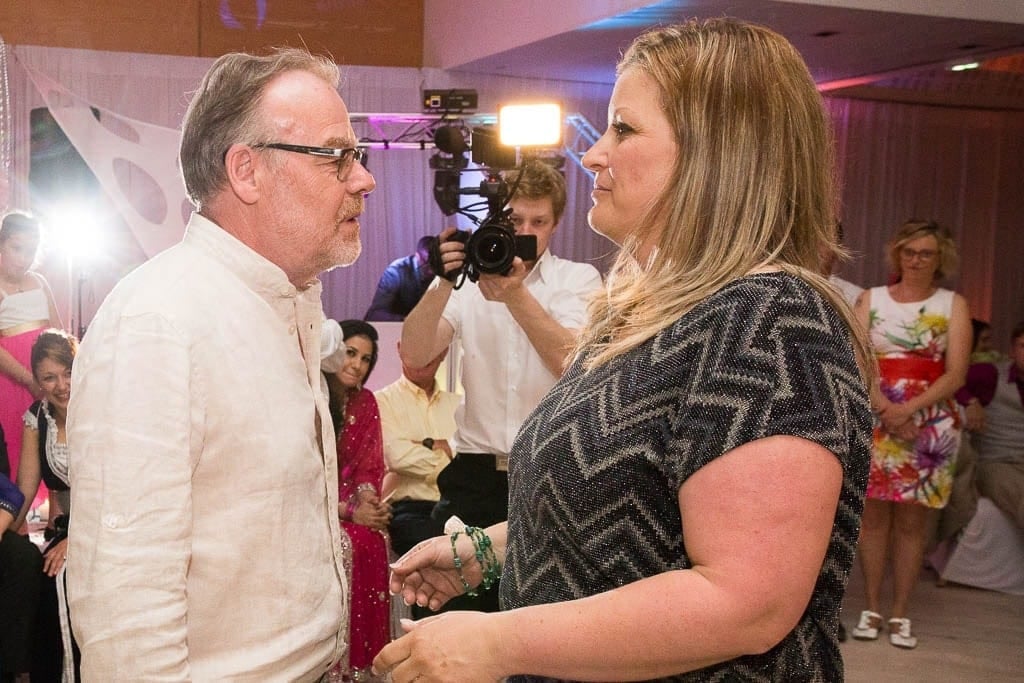
One trend in wedding coverage is “hybrid” service (one vendor handling both photography and video). The pitch is appealing: simpler coordination, lower total cost.
But photography and videography are fundamentally different disciplines, not just “the same thing with different buttons.”
A photographer hunts for decisive moments, freezing a split-second expression.
A videographer builds sequences, thinking in motion and audio. The way you move through a room, anticipate action, and frame shots differs completely between the two.
More practically, the camera settings conflict. Both need different gears, props to get better results.
A film-maker night a continuous light, sounds recording system, stabilisation, video recorder.
A photographer, need flash, and looks for the ultimate shoot.
This doesn’t mean hybrid coverage is worthless. For couples who want “something” in both formats without the cost of two dedicated vendors, it can work, but at a cost: quality. Expecting dedicated-quality video from someone primarily focused on photos (or vice versa) usually leads to disappointment in one or both deliverables.
Learn more about photos and video packages.
The Burnout Window
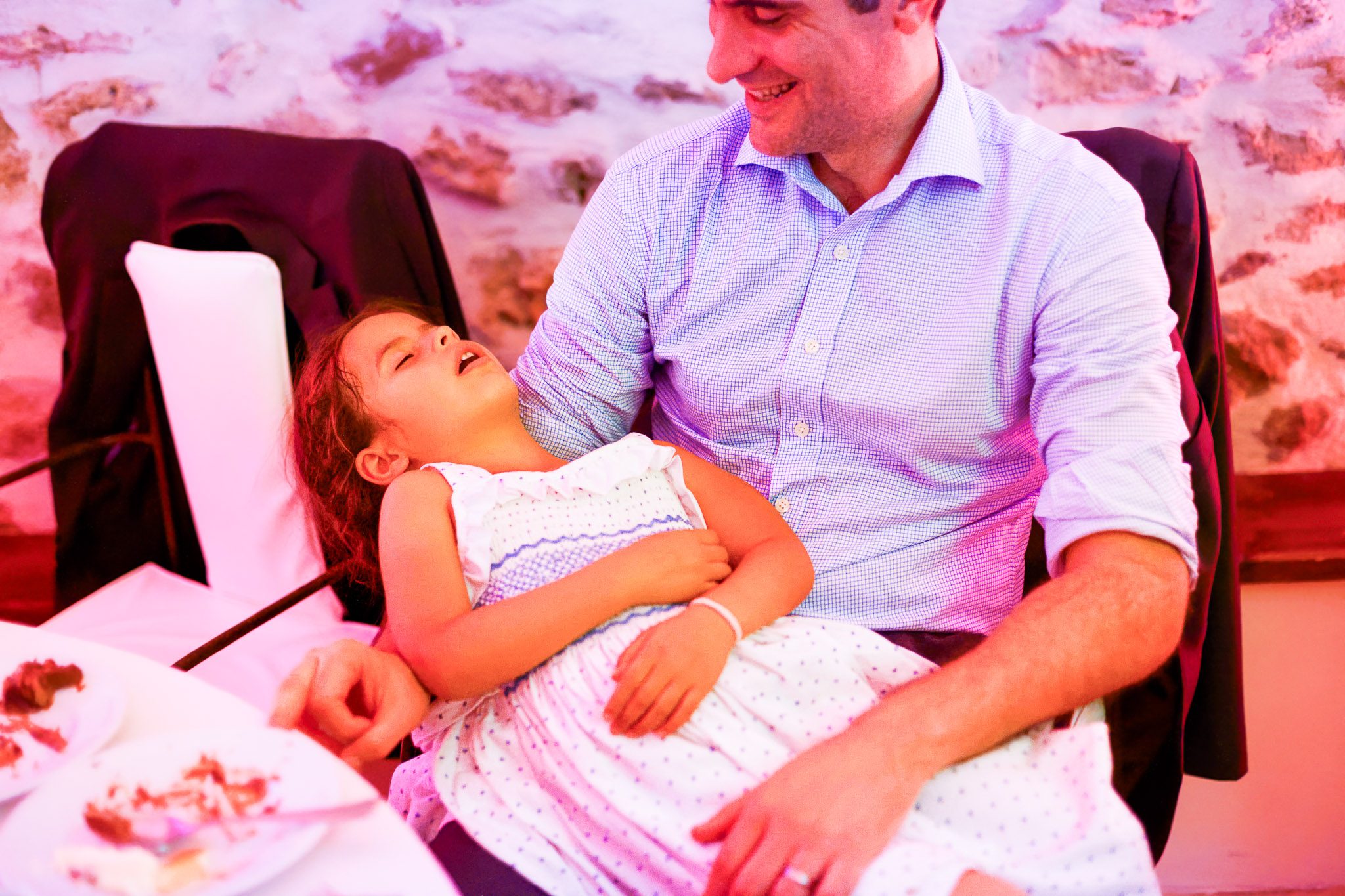
There’s a demographic pattern in wedding photography that nobody talks about openly: experienced professionals exit the industry around age 40. And they’re not alone. The data on photography business survival is stark.
According to research compiled by Dane Sanders in “Fast Track Photographer,” 60% of photography businesses fail in their first year. Of the remaining 40%, another 25% fail in year two. Only 15% make it to year three. That’s an 85% turnover rate within three years, far worse than the general small business failure rate (where 80% survive year one and 50% make it to year five).
Zippia’s analysis of photographer resumes found the average wedding photographer stays in the field just one to two years.
| Year | Photography Businesses | General Small Business |
|---|---|---|
| Survive Year 1 | 40% | 80% |
| Survive Year 3 | 15% | ~62% |
| Survive Year 5 | ~15% | 50% |
This churn creates a peculiar market dynamic: endless newcomers competing on price, cycling through, burning out, and being replaced by the next wave. Meanwhile, experienced photographers who’ve survived the gauntlet face a different set of pressures.
It’s not about declining skill. If anything, photographers get better with experience (better at reading rooms, anticipating moments, handling chaos gracefully). The exit is about lifestyle incompatibility and cumulative exhaustion.
The weekend parent dilemma
A photographer in their twenties finds Saturday weddings lucrative and exciting. A photographer in their forties with school-age children finds that every Saturday wedding means missing a soccer game, a recital, a family outing. Children are in school Monday through Friday. The only family time happens on weekends, exactly when wedding photographers work.
The guilt accumulates. Industry forums are full of forty-something photographers announcing their exit, citing variations of “I’m missing my kids’ childhoods.” This isn’t burnout from overwork alone; it’s a fundamental mismatch between the job’s demands and the shape of family life.
The income fluctuation
What wears you down over years isn’t any single hard day. It’s never knowing if you’ll make enough this year. Every January starts at zero. Every booking season brings anxiety: will the inquiries come? Will they convert? Will couples ghost after you’ve spent an hour on a custom proposal?
As an independent, there’s no safety net. A slow March doesn’t get made up later. An economic downturn hits immediately. The constant uncertainty, year after year, grinds people down.
The ghosting epidemic
From what I remember in my first year, people ghosting you after you share your price is not rare. But it was not that sytematic (at least in France, lot of people were polite enought to take the time to answer).
But today, I see a more systematic ghosting attitude, which, as you guess, is not the most pleasant.
In addition, Platforms like WeddingWire and The Knot (platfroms, that I remind you, professional pay expensive $1000/month membership), have trained couples to request quotes from ten or twenty photographers simultaneously. Most of those inquiries go nowhere. You craft a thoughtful response, maybe even a custom proposal, and hear nothing back. Ever.
The new generation couples aren’t being malicious (they’re just following what the platform encourages). But for photographers, it means pouring energy into dozens of inquiries knowing most will vanish without a word. After years of this, the emotional cost of each unanswered email accumulates.
The physical Effort
Wedding photography is a real sport.
Ten hours on your feet carrying fifteen pounds of gear is manageable at 28. At 45, the recovery time extends. A Saturday wedding becomes a lost Sunday spent recovering, further eroding family time.
This cumulative weight (physical, financial, emotional) drives experienced photographers out just as they’ve mastered their craft. The industry loses institutional knowledge to a churn that refreshes the market with enthusiastic newcomers but erodes depth of expertise.
Surviving the Off-Season

Minnesota photographers face a unique challenge: four to five months where wedding work essentially doesn’t exist. The successful ones diversify.
Mini sessions
Fall family portraits, holiday card photos, spring headshots. These fill gaps with predictable, lower-stakes work.
Corporate and branding
Headshots for LinkedIn, team photos for company websites, product photography for small businesses. The hourly rates are often better than weddings, with none of the weekend sacrifice.
Education
Teaching workshops, selling presets, building courses for newer photographers. Leveraging expertise into scalable income that doesn’t require being behind a camera.
The photographers who survive long-term in seasonal markets aren’t purely wedding photographers. They’re visual generalists who happen to do weddings during wedding season.
CONCLUSIOn Where This Leaves Everyone
If you’re a couple planning a wedding: understand that the photographer quoting $3,500 isn’t getting rich. They’re covering equipment, insurance, software subscriptions, marketing costs, second shooter fees, and hours of post-production work. The “race to the bottom” pricing you see from newer photographers often reflects unsustainable business models that produce inconsistent results.
The experienced mid-range photographer (the one charging $4,000 to $5,500 with a deep portfolio and genuine style) represents the best value for most couples (check what’s include in my photography packages). They’ve survived the market long enough to be competent, but haven’t priced into luxury territory that only makes sense for unlimited budgets.
If you’re a photographer navigating this market: the middle isn’t dead, but it requires differentiation. Competing on price against newcomers with no overhead is a losing battle. Competing on prestige against established luxury brands requires marketing budgets most of us don’t have.
The path that seems to work is stylistic clarity. Be known for something specific (documentary candor, editorial drama, fine art film aesthetics, whatever aligns with your genuine vision). The couples who want what you specifically offer will find you and pay appropriately. The couples who just want “a photographer” will price-shop, and that’s fine. Let them.
The engagement gap will pass. The couples who met in 2022 and 2023, as the world reopened, are entering engagement season now. The pipeline will refill. But the structural pressures (seasonality, saturation, burnout) aren’t cyclical. They’re the permanent landscape we’re all learning to navigate.
Sources
Federal Government Data
- Bureau of Labor Statistics, Minnesota Occupational Employment Statistics, May 2023 (Code 27-4021): bls.gov
- Bureau of Labor Statistics, Occupational Outlook Handbook, Photographers: bls.gov
- US Census Bureau, Nonemployer Statistics (NAICS 541921): census.gov
Industry Market Research
- IBISWorld, Photography in the US, Number of Businesses: ibisworld.com
- The Wedding Report, wedding market data: wedding.report
- The Wedding Report, Minnesota Market Statistics: wedding.report
- Professional Photographers of America, membership data: ppa.com
Wedding Industry Data
- Signet Jewelers, engagement ring sales and forecasts: signetjewelers.com
- The Knot, Real Weddings Study 2024: theknotww.com
- The Knot, 2016 Real Weddings Study (historical pricing): theknotww.com
Industry Analysis
- Dane Sanders, Fast Track Photographer (business failure statistics)
- Zenfolio, State of the Industry Report 2024: zenfolio.com
- Zippia, Wedding Photographer Demographics: zippia.com