Photographer for product, object and packshot photography
Product Photography Rochester MN and Minneapolis Area
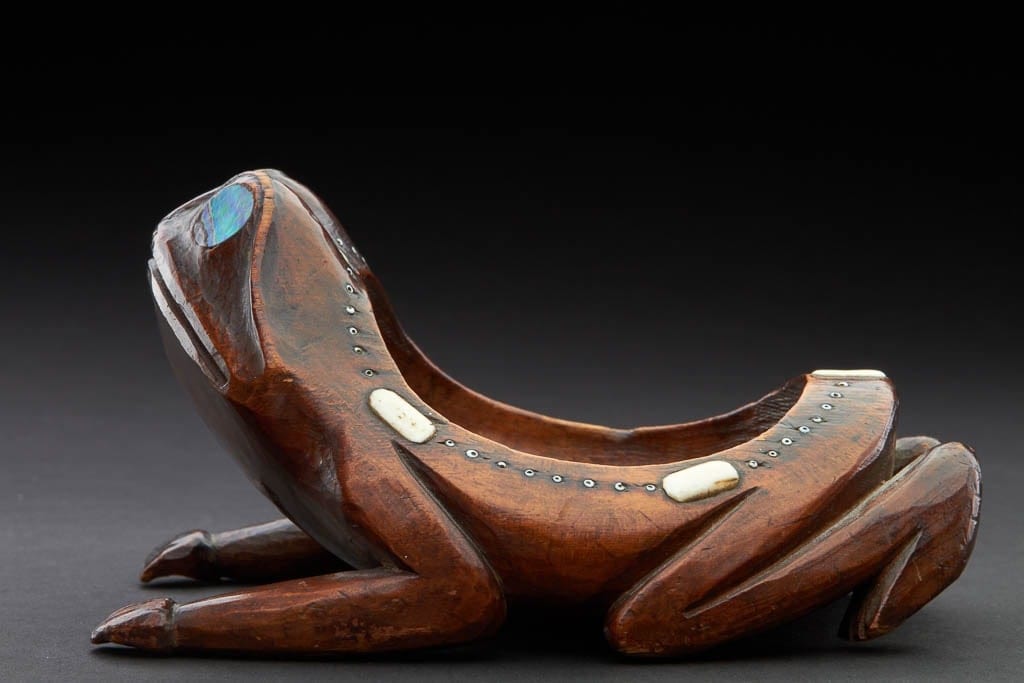
While I specialize in weddings, I also offer other kinds of photography services directed to companies and local businesses, such as packshot photography. So what is that? Well, it’s probably the most widespread type of product photography in the world, so I bet you are pretty familiar with them.
Originally, packshot photography was used to design a still life image of a product inside its packaging. Thus the name pack-shot. Today, this practice is no longer commonplace, and most objects are photographed without their packaging. That said, when the packaging is luxurious, it is often included in the pictures, on the side or behind the product.
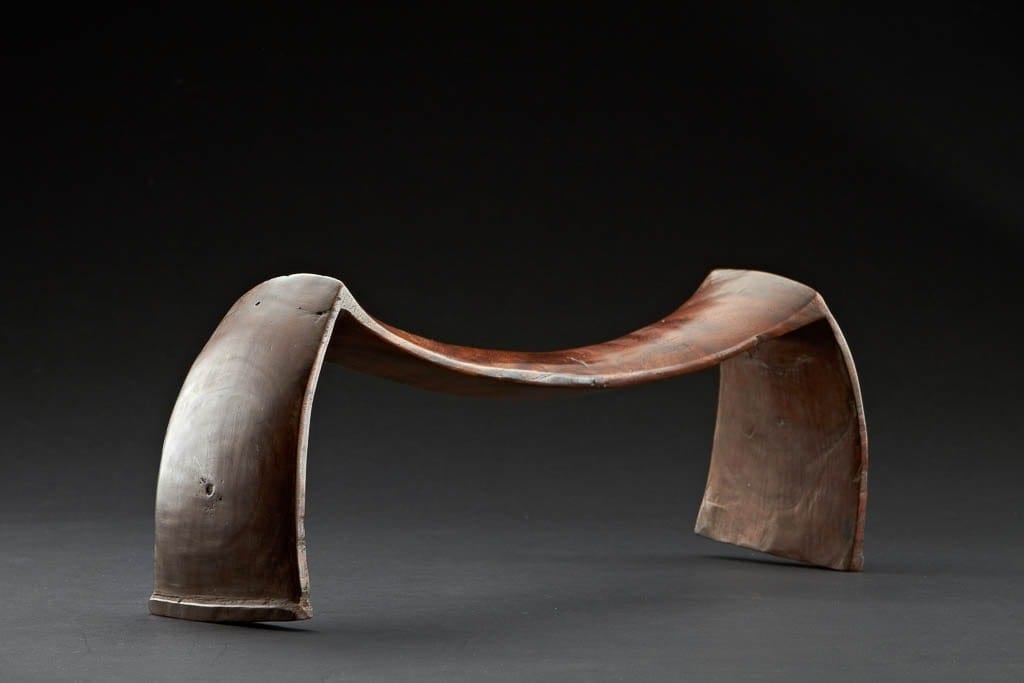
Packshot photography (or packshot to make it short) can encompass two kinds of photography: a very simple one, on a white background, or a more sophisticated one (which is more often called product photography). Consequently, the motivations for creating such images can vary, depending on the nature of the photograph and the object. But let’s simplify and say the goal of a packshot is
- To accurately display what is sold
- To make the merchandise easily recognizable and identifiable
- To feature the product’s quality
- To enhance the merchandise appearance
- To define a company’s brand with a visual signature (ex: Apple)
- To generate enthusiasm from the customer
- To raise feeling and a strong desire to buy.
There are also some derivative kinds that we won’t tackle here, such as 360° photos and short movies made by a videographer.
The price of those pictures can vary a lot depending on the desired quality, and thus the time, and the kind of equipment required (lighting, cameras, etc.). Actually, in photography you can find a large variety of pricing that will vary regarding the client’s expectations.
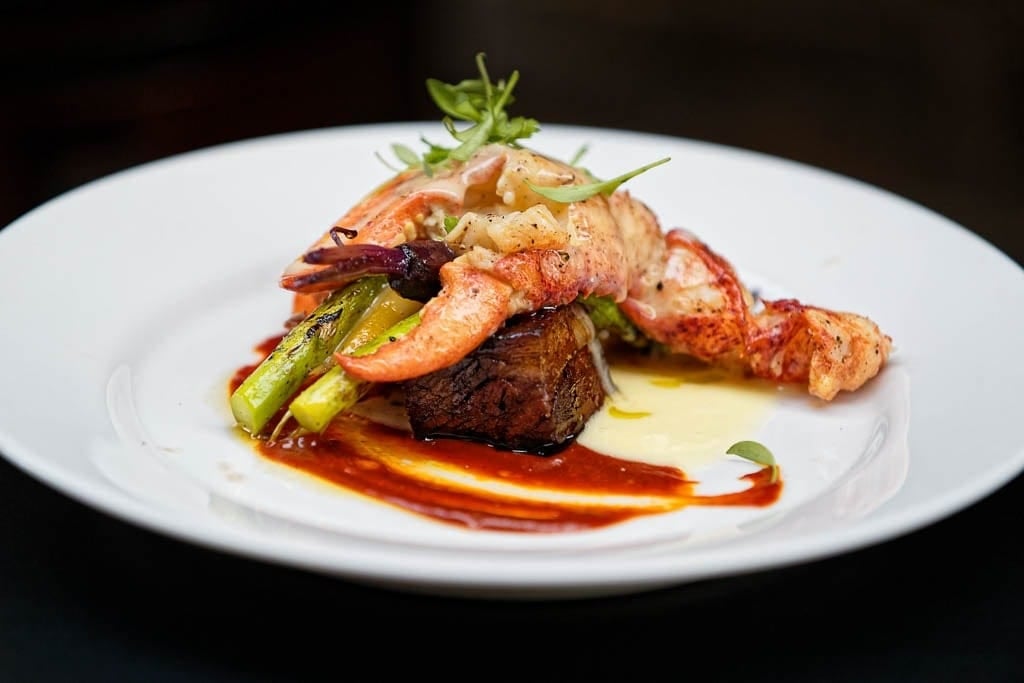
Table of Contents
How Imagery Can Create Enthusiasm for a Viewer
While the role played by emotion is pretty obvious regarding family portraits taken by your wedding photographer in MN, it might not seem logical regarding merchandise (for instance a camera body). Indeed, you may think customers will consider the genuine quality of objects they are buying. Then you should be interested to know that:
- 90% of the information considered by a buyer is visual
- 93% of people buying something on the internet say that they decide on the photo.
That’s why photography became so much more important in the last decades. In our consumer society we are fetishizing appearance, and that’s why photography took such an important place in the marketing of the product. In practice, each time you go on Amazon to buy a simple plastic product, you are comparing a bunch of similar items at a similar price.
It’s the photograph that makes you trust one item more than another. It’s the same when you are trying to decide between two luxurious products, and comparing two amazing commercial photographs.
Who needs packshot?
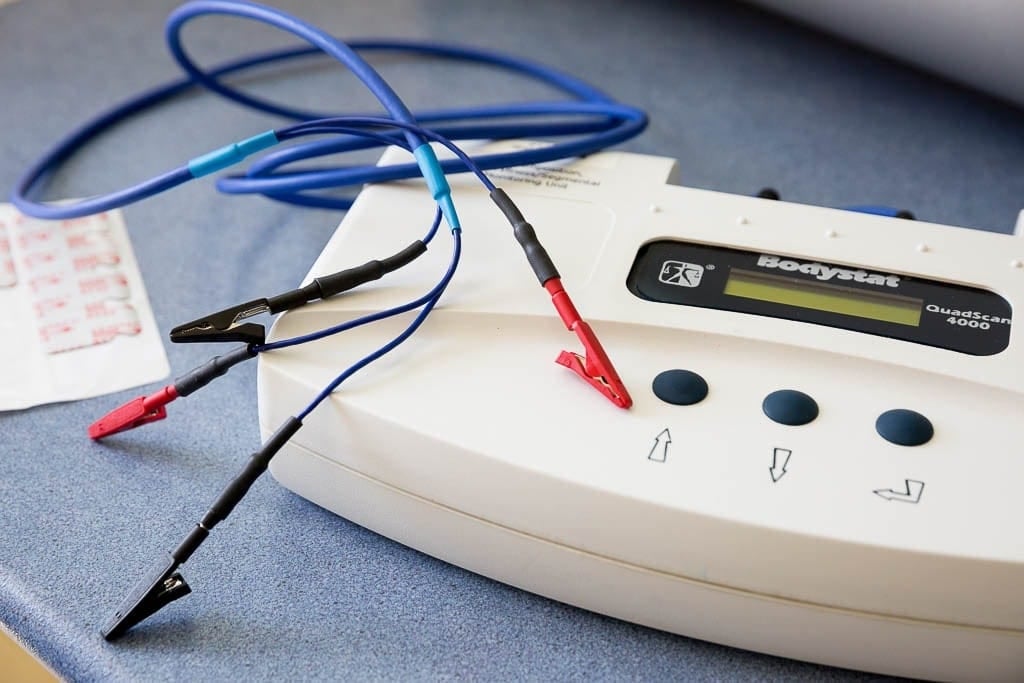
Packshot photography’s typical clients cover a large spectrum. It starts with the small independent company (for instance a craftsman wanting to simply but accurately present his work), to medium-size companies (for instance a local restaurant, a brewery wanting affordable pictures to finely present its beers or a local clothing brand).
It goes up to larger companies producing industrial objects and in need of great images to showcase them on their website. For instance, a health company producing electronic machines or a truck builder.
On the other side of the spectrum, stand the companies selling luxury objects, and thus in need of stunning images for advertising. For instance, the most famous industries are wine, other alcoholic and non-alcoholic drinks, perfumes, cosmetics, food, jewels, watches, cars, luxurious electronics (computers, TV screens, game consoles).
Depending on their destination, these images are often used
- In catalog
- Online listings (for instance on Amazon, eBay, etc.)
- Magazine
- Printed or online ads
- Billboard
- Website
- Packaging of the product itself
Simple image or Sophisticated image made by artists
As mentioned earlier, we can make the distinction between two big families: the simple image and the more elaborate ones.
Clean-up with uniform White background
That’s the one that is commonly designated packshot, and used to sell the object on the internet. The object is pictured on a white background, similar to the white walls of galleries and art museums.
Some art critics theorize that “anything placed into a modern museum (bright and minimalist space with white walls) is immediately considered as a piece of art.” That’s for example, the theory of Marcel Duchamp, the creator of the ready-made.
Well, for merchandise it’s the same process (the museum being replaced by a catalog, a billboard or a nice website). Indeed, when an object is deprived of context, the buyer’s attention tends to focus on the product itself and its quality. The buyer would pay more attention to details, texture, design. That’s why we consider a good image that accurately reflects the item for the viewer should:
- Be clean with a 255 white background and no shadows
- Present an image where each item’s element is in focus
- Be lit well, to see each part (not parts hidden by shadows)
- Present the item without distortion
- Reflect true dimensions and true shape of the items
- Display the true colors
Accuracy
An important point that should be highlighted is the accuracy of the pictures. As a matter of fact, you don’t want a disappointed customer complaining and returning an object because he feels that what he saw and what he bought is diametrically opposed to an excessively flattering picture. That being said, it does not mean either, that images should be flat and dull. A subtle lighting job will enhance the object’s appearance and stick to reality.
Variations: Colored background
Sometimes, for aesthetic considerations, sellers could prefer a uniform background with a different color from white (for instance gray, light brown, light blue, etc.). Images of small products on a white background can be produced in a short delay, while large products (such as a car), would require a studio location.
Elaborate Commercial image made by talented photographers
Alongside my professional event and wedding photography activity in Minneapolis and Rochester, MN, I offer portraits, couples sessions, college senior images, camera training.
This kind is pretty exciting too, offering an artistic and creative license for the maker (when the direction of the shooting is not operated by the brand art director). Of course this image requires lots of skills (that I learned at school, with a degree in Photography), talent, resources, and they are not child’s play!
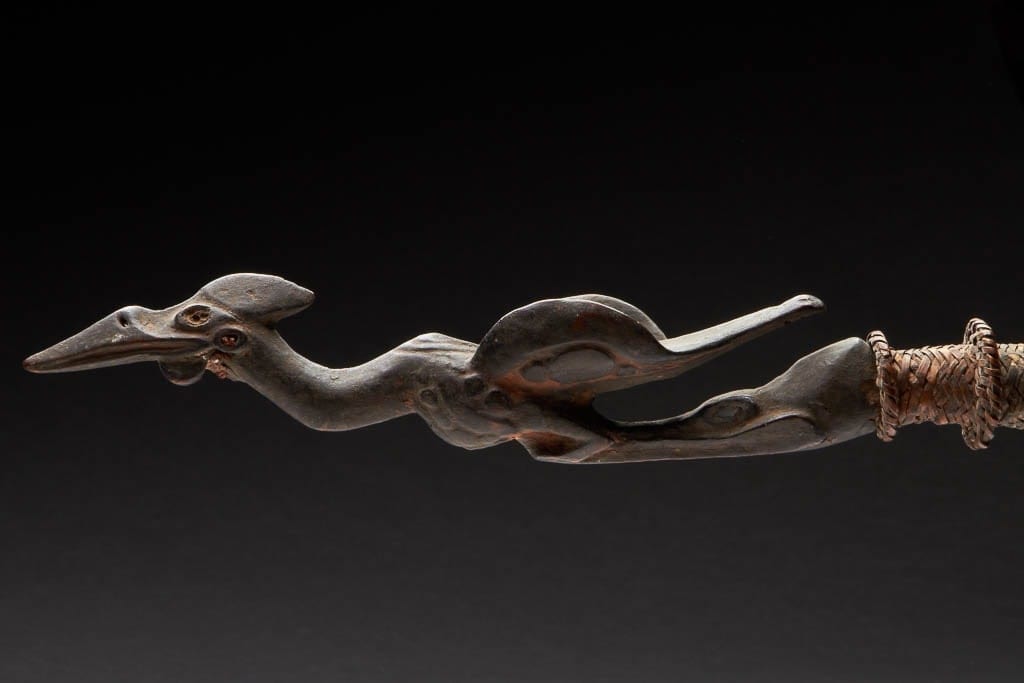
A commercial packshot image is also produced in a studio. It uses a colored background (with texture or not) and a complex lighting effect. The light variations showcase all the subtleties of the object, featuring its own quality, and enhancing its appearance.
The goal here is really to raise the buyer’s interest and desire. Also some small alterations to reality are permitted. For instance, creative image makers will play with distortion, accentuating perspective and the object’s shape.
Complex image production varies regarding the nature of the product and its destination. Actually, after digital retouching (using Adobe Photoshop), some images can look more like a painting than a still shot image.
How much does it cost?
Given the wide variety of objects and photography, it would be complicated to generalize on the production of such images given they all require specific needs. Several options would increase the price, such as
- The size: Very large industrial objects would be more complicated to be manipulated, and could need a larger studio, and thus take more time. On the contrary, tiny objects, such as diamond rings could require macro-photography techniques that also take time.
- The nature of the object (some materials are easier to picture than others, depending on the shape, reflection, the nature of the fabric). For instance, a shiny ball is more complicated than a matte dark cube.
- Post-production Needed: Post-production is the hidden part of the iceberg, and retouching fees can quickly go very high. Sometimes retoucher budgets can be higher than the photographer’s. This is particularly true if you need a high level of composition, mixing several images and working on adding elements to the background. The basic level of post-production, made by the photographer, is to adjust the color, correct imperfections, clean the pictures, and perform background cutting.
- Styling: If fashion stylists are famous, food photography stylists and product stylists are a must for staged pictures. Their ability to find the right props, and move elements to the right place highly increases the quality of the final picture.
- Stage renting or building: Some staged images could need to rent or build a stage.
- Preparation: Items need to be unpacked, assembled or disassembled to show each piece. Clothes may need to be ironed or put in shape with a steamer.
- Layout: On some pictures showing every single piece of a product, the layout work can take a lot of time.
- Express delivery: Of course if you are on short deadline and need all the pictures ready for the next day, it would be more expensive.
- Shipping: If you need to ship large products far away, it would be more expensive than dropping the merchandise to your local studio. Time to properly pack and protect each element should also be taken into consideration.
Local or specialized studio in Minnesota?
Should you choose your local photographer or a specialized studio? Both have advantages and disadvantages, and you should decide regarding the kind and type of product you have, and, of course, the expectations you have.
Best Packshot Professionals
If you are a big famous brand, with a large budget and ready to invest $10,000 to have the perfect shot for your national (or international) advertisement campaign, then I would recommend you choose a world-famous product photographer. They are usually represented by agencies, and you can find some really good ones in big towns such as New York, Chicago or Los Angeles. Those professionals are specialized in commercial photography, have a lot of experience, are used to complex techniques, and have larger studios to handle big productions. It’s not rare that they are also videographers, and offer services including short movies made by a videographer.
Local Studio
Your local photographer would probably not be specialized only in product photography, but would offer different kinds of services, such as weddings, family portraits, sports, real estate photography. Of course, as always, check the pictures and make your own opinion! Local vendors can be good or very bad! And there is nothing worse than a bad image to sell your product! The advantage of your local photographer is you can work with him and adjust the direction of the shooting step by step. In other words, you can control the result. What’s more, you won’t spend your budget on packing and shipping costs. The disadvantage is that it’s usually an individual business. So if you need to have a lot of images of many products, very quickly and have them retouched, it would take more time than a specialized studio with twenty people working at the same time.
Size of the Studio
Another consideration is the size of the studio. Local photographers barely have huge spaces. Also, if you plan on having a big product photographed in the studio, you would need to rent a studio, or ship your merchandise to a bigger photography company. That’s why most of my clients live close to me, and come from cities such as: Saint Paul, Chicago, Burnsville, MN, Lakeville, MN, Brooklyn Park, Duluth, Coon Rapids, Apple Valley, Mankato, Maple Grove, Maplewood, Maryland, Bloomington, Rosemount, Inver Grove Heights, Roseville, MN, Burnsville, Maple Valley.
Charge by time, object, or picture?
Time
Charging by time (hour or day) is great if you don’t have a lot of products, or if all your products are different and require different kinds of attention. Charging by time makes sense when it’s impossible to make a right estimation. Otherwise I would not recommend charging by time. Indeed, it can be tricky to control your budget and you can end up having higher expenses than expected.
Let me share a story that took place when I started photography. I had a client who had experience having his products photographed with his local photographer, and hired me for two weeks. He wanted some “simple images” shot on a white/gray/black background, but as often happens, the image board that inspired him included a lot of very good images.
Also, I was not sure of the kind of expectation he was waiting for, and I asked him to stay with me the first day. I showed him what can be done in thirty minutes: a clean and simple image. And he was happy and wanted to move to another object. But I asked him to wait. I refined my lighting. But I didn’t change any parameters (aperture, ISO, etc.), or my DSLR camera to a medium format with different lenses. It was just about setting up several flashes, to create better light than with light coming from a window. That took one additional hour to shoot the same product better. He was amazed and decided that he wanted the best quality possible. At the end I shot pictures during almost three months when he came to me thinking of a two weeks’ work.
Picture
Charging by picture is appropriate when all your merchandise is the same and requires the same number of images. If you have multiple kinds of objects which all need to show different aspects, then organize your products by category.
Object
Charging by object is (more or less) the same as charging by pictures. You must categorize your products, make an estimation of the number of pictures you want for each one. In a marketing strategy that helps you better understand how to calculate your advertising costs.
I also love Lifestyle Photography
Discover the portraits of your professional photographer in Rochester, MN. How to capture emotion in images during engagement sessions in Minnesota, Minneapolis and beyond the Twin Cities. This type of image including people performing actions is called lifestyle photography. Of course here it’s related to marriage and families, but it became more and more popular to use such style for product photography. Indeed, studies show that buyers manage to project themselves more easily when they see other people using an object in pictures that look natural (such as photojournalism style). That’s why today, you can see ads with a bunch of teenagers having fun using a computer, instead of an ad explaining how great the machine is. Consequently such production is usually shot outside, on location, including models, and the cost is cheaper than building a stage. The destination of such images is usually for social media and Instagram.
Your professional background: 1 degree in photography at the Paris University and 1 degree in an Art School
While engagement, wedding and seniors can easily be learned alone, commercial photography could be required to learn from a teacher. It’s not only about lighting technique, science of digital images, composition, subtleties of film processing, bonds with video, but also about customer psychology and marketing principles.
But, given there is nothing like experiencing the field to learn jobs, I have worked as an assistant for fashion and commercial photographers for 7 years!
If you have a precise project and you want more info just send me an email.